Think of affiliate marketing, and you might picture coupon codes on deal sites or overused promo links.
But affiliate marketing in today’s world simply means partnering with creators who genuinely use your product and can drive measurable sales through trackable links.
It can be an effective path to revenue when it’s built around authentic recommendations with User-Generated Content (UGC) alone contributing nearly $8 billion in annual revenue for Emplifi social commerce clients.
In this guide, we’ll unpack a 2026‑ready affiliate marketing strategy – from finding the right partners to measuring performance – and show how brands can scale social affiliate programs without drowning in spreadsheets.
Affiliate marketing as most teams know it: banner ads, coupon sites, and generic referral links, is fading. The consumer journey has shifted onto social platforms where real people influence buying behavior through their everyday posts and stories.

Peer reviews and creator recommendations now outperform traditional ads, with Emplifi data showing users who engage with UGC are 2.4× more likely to complete a purchase.
But manually managing affiliate programs through DMs and spreadsheets isn’t feasible when you’ve built up a big network of creators.
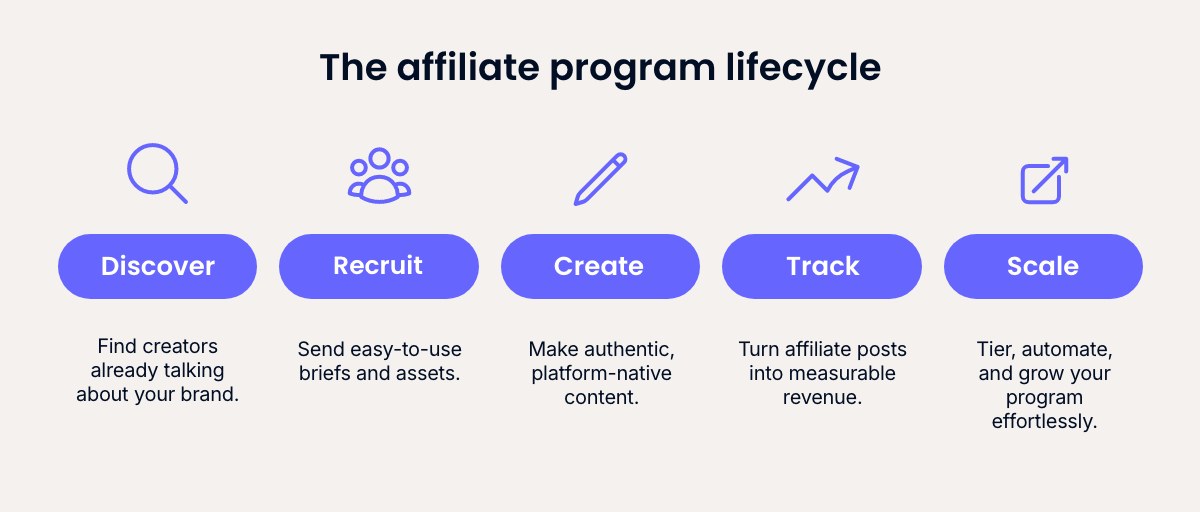
Here’s how to build a streamlined affiliate marketing strategy that scales without the chaos:
Big names can give your brand a visibility boost, but when it comes to driving real affiliate performance, smaller creators often win.
Nano‑influencers (those with 5k–50k followers) tend to have highly engaged, loyal audiences who trust their recommendations, making them more likely to convert into actual sales. Emplifi data shows that 65% of consumers are influenced by UGC from creators, compared with just 14% who say the same about celebrity endorsements.
The key is relevance over reach: a smaller creator who genuinely loves your product and aligns with your brand values can generate stronger, more authentic engagement than a big name with less niche alignment.
All you need to do is find the right match for your brand.
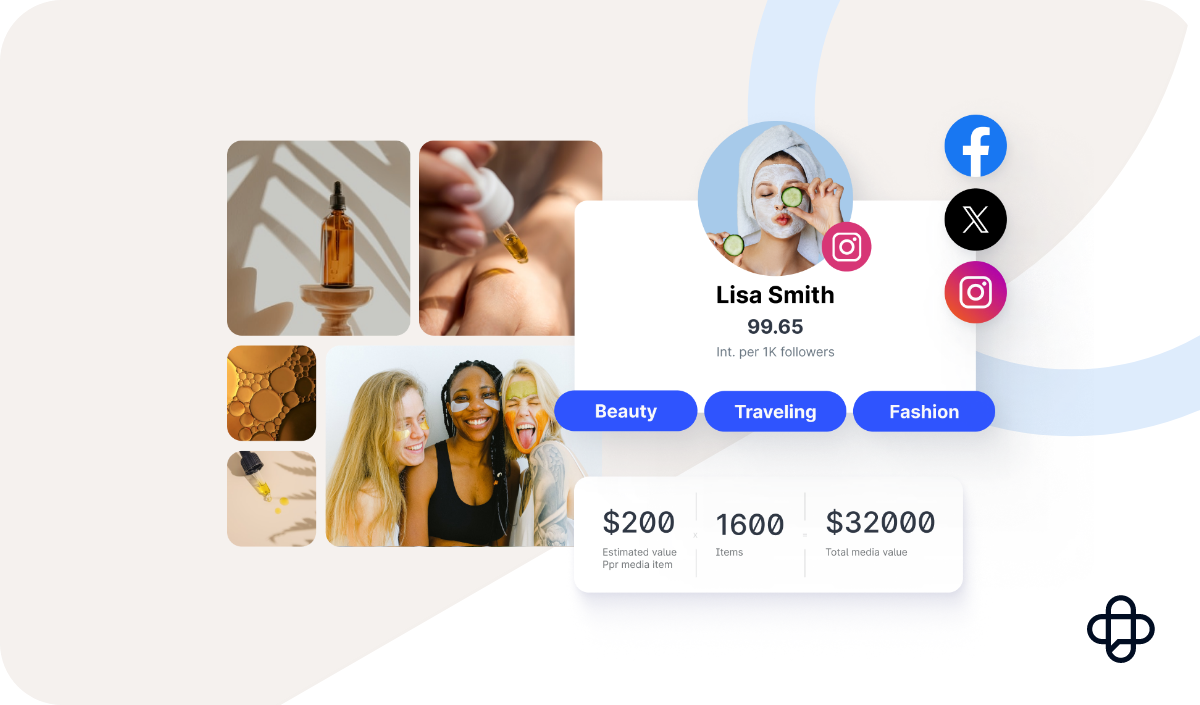
Rather than manually combing TikTok or Instagram for potential affiliates, Emplifi’s influencer management tools can help you search, filter, and invite creators who already talk about your brand or category.

This means you’re recruiting affiliates who are already relevant, rather than cold‑contacting strangers.
Pro tip: Before handing out affiliate links or codes, ensure creators have authentic engagement and real followers. Fake or inflated audiences mean wasted spend and inaccurate tracking.
Affiliate marketing works best when content feels authentic and natural, with genuine UGC delivering over 10x higher conversion rates compared with non-UGC social posts. The impact of UGC on sales simply cannot be ignored.
And the revenue impact of this kind of content is huge; brands leveraging UGC generate 3x more repeat site visits, and consumers spend more than double the time on pages where they see customer‑generated visuals and stories.
The best affiliate creators weave product mentions seamlessly into everyday life, rather than presenting a hard sell.
Formats that work best include:
By using these formats, affiliate content educates, entertains, and provides social proof, all while staying authentic. For brands, repurposing high-performing UGC on owned channels or in paid campaigns amplifies this effect, making every creator post a potential long-term revenue driver.
@glossier It’s officially hydration season. We’re cleansing, we’re layering, we’re moisturizing. Do we skip steps sometimes? Maybe once or twice. @seanxpatrick #glossier #skincare ♬ original sound - Glossier
Here’s how you can make the most of affiliate content across the major social channels:
TikTok
YouTube
Repurpose
Pro tip: You should always make sure you have the right to reuse affiliate content so you can repurpose creator videos on your own channels or use it in ads. Emplifi’s UGC marketing dashboard makes this easier by using automated workflows to reach out to content creators for rights approval.
Radio Flyer used Emplifi’s tools to embed customer content across channels, driving a 7× increase in conversions, 85% more time spent on site, and a 12% rise in Average Order Value (AOV).
Tracking your affiliate marketing efforts correctly is one of the most important parts of the whole process. Without the correct attribution, you can’t be sure whether the sale came from one influencer or another.
Attribution can be tricky, especially when there are multiple customer touchpoints to consider or a jump between mobile social apps and laptops.
With consistent tracking, clear attribution, and unified analytics, you can move beyond surface-level metrics and understand exactly how creator activity drives traffic, conversions, and revenue.
Here are two best practices you should follow for every affiliate campaign:
Emplifi’s influencer management software brings all of your influencer data together in one view so you can see impressions, reach, and demographics, as well as key performance metrics like cost, engagement, and conversions.
You can compare campaign effectiveness by ROI, allowing you to see which of your affiliate campaigns has performed the strongest, helping you hone your future affiliate marketing efforts.
To abide by FTC (Federal Trade Commission) standards, there are certain rules you need to follow to avoid financial penalties or damage to your brand reputation.
Legally, creators must clearly and prominently disclose sponsored content using labels like #ad, #paidpartnership, or “Paid partnership with…”. Disclosures need to be immediately visible – not hidden in captions, hashtags, or comments – and importantly, responsibility sits with both the creator and the brand.
If sponsorships aren’t disclosed properly, brands risk:
Beyond legal compliance, there’s the brand safety challenge. Even well-intentioned affiliates can:
Scalable affiliate programs rely on AI-powered monitoring to detect potential issues or negative customer sentiment early, and alert teams so issues can be resolved before they escalate.
With the right tools in place, compliance becomes part of your workflow, allowing you to scale affiliate programs confidently while protecting brand trust.
Managing a handful of creators manually might work at first, but that approach quickly breaks down as programs grow.
To expand without losing control, you need structure, automation, and incentives that reward performance over time.
Building strong relationships with your creators is crucial, but so is incentivizing them to encourage long-term partnerships. Gamifying progression gives affiliates something to work toward, while allowing you to invest more where returns are proven.
For instance, a tiered incentive program could offer:
This model keeps entry barriers low while creating a clear path for top creators to earn more, turning affiliates into long-term revenue partners.
At scale, the biggest productivity drain is manual admin. Sending briefs one by one, chasing approvals, distributing assets over email, tracking content rights in spreadsheets, and issuing affiliate links individually simply doesn’t scale.
With an automated influencer and UGC management platform like Emplifi, your team can:
By automating the operational layer, your team can focus on strategy, relationship-building, and optimization, instead of manually sifting through content.
When brands pair authentic creator partnerships with centralized management, clear incentives, and unified analytics, affiliate marketing becomes a predictable, measurable growth channel.
Emplifi gives brands the foundation to:
Ready to scale your affiliate program without the spreadsheets? Get a demo and see how Emplifi helps brands turn creators into high-performing sales partners.
An influencer is typically paid for content creation or reach, regardless of performance. A social affiliate, on the other hand, earns commission based on actual sales driven through unique links or discount codes. This shifts the relationship from awareness-only to measurable revenue impact.
Instagram link stickers paired with standardized UTM parameters help attribute traffic accurately. To capture sales when clicks drop off, many brands also use creator-specific discount codes that are tracked at checkout. Combining both methods improves attribution across mobile and desktop journeys.
Many brands start at around a 10% commission rate and increase incentives for top performers. Higher rates may be appropriate for premium products, high-margin categories, or creators who consistently drive conversions. Tiered commission structures help balance profitability with motivation.
Yes, contracts protect both the brand and the creator by clearly defining expectations. They should cover disclosure requirements, content usage rights, payment terms, and termination conditions. Even simple agreements reduce risk as programs scale.
Brands should provide clear guidance on required disclosures such as #ad or paid partnership labels. Disclosure expectations should be written into contracts and reinforced during onboarding. Automated monitoring tools can help flag missing disclosures and brand safety issues at scale.
Discover how Emplifi boosts efficiency, increases revenue, and scales your social media management — whether you have a small team or a complex product. Let’s talk today.
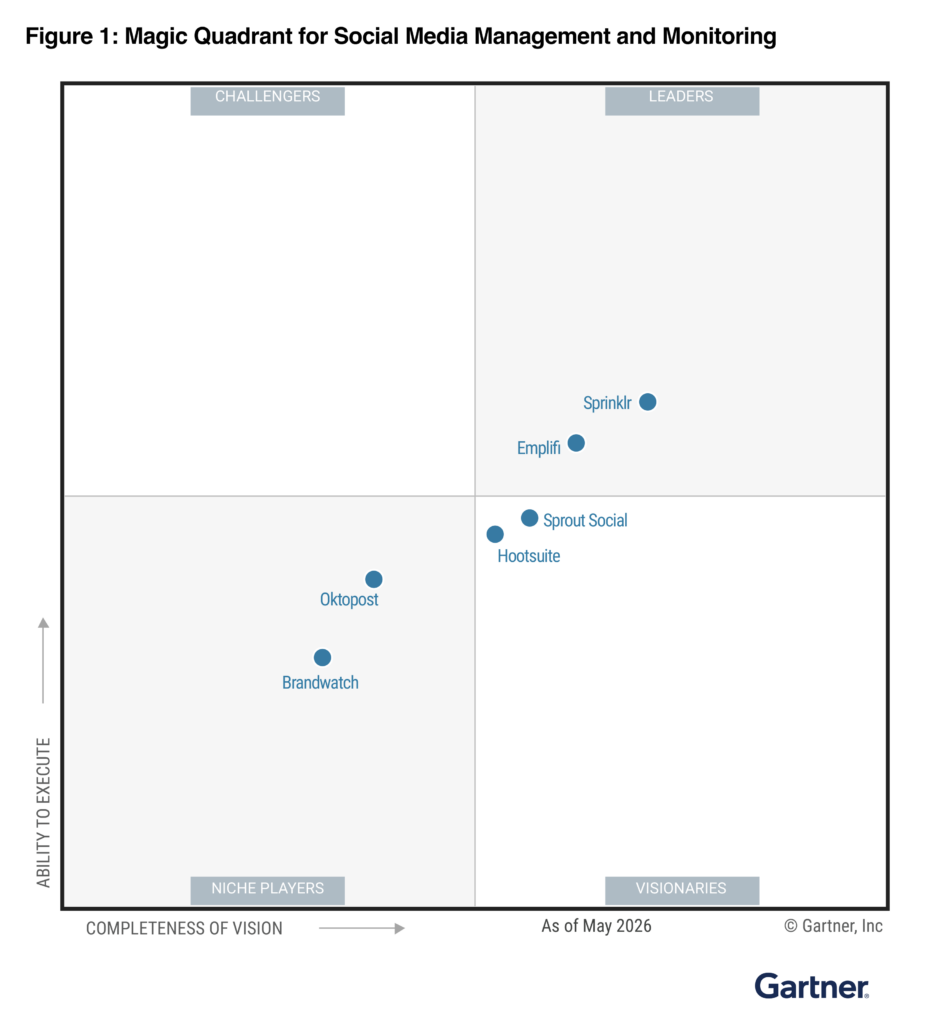
We’re recognized as a market leader in innovation, customer support, and ease of use from these organizations.