Data is a marketing team’s most valuable asset. It helps personalize every marketing campaign, nurture sequence, and social post.
93% of marketers say personalization improves leads and purchases, yet many teams still rely on demographic segmentation which only scratches the surface of what true personalization requires.
Demographics are helpful, but they only get you so far. Two people with the same age, location, and job title can have totally different interests and online habits. If you rely on demographics alone, you risk missing what actually drives engagement.
Instead of relying purely on demographics, marketers are shifting toward psychographic segmentation — building audiences around what people care about, not just who they are on paper.
If your typical persona looks like this:
…you might be marketing to a broader audience than you’d like.
While these details provide useful context, they rarely explain what actually drives purchasing decisions. Two people with identical demographic profiles may have completely different interests, values, and motivations.
For example, one may follow marathon training communities and fitness influencers, while another spends hours researching sustainable fashion brands or minimalist lifestyles.
Both fall into the same demographic category, yet their behaviors, and therefore the messaging that resonates with them, are entirely different.
That’s where psychographic segmentation comes in. It helps you cut through the noise and build a more personalized experience for your audience.
Psychographics focus on:
Understanding these dimensions allows you to create campaigns that actually hit home.

Audience segmentation in social media is the process of grouping audiences based on shared behaviors, interests, and interactions rather than just demographics.
Using AI-powered social listening, you can identify real-world communities, uncover motivations, and tailor content and campaigns to specific audience segments.
Today, one of the most powerful ways to uncover these insights is through social listening.
See how social listening can improve your customer experience
To tap into these psychographic insights, you need more than traditional data sources.
That’s where social listening comes in. At its core, social listening is the process of tracking and analyzing online conversations—across social media, forums, blogs, and more.
Most teams still use it as a monitoring tool, keeping an eye on brand mentions or sentiment. But with AI-powered social listening, you can go a step further and uncover insights about the people behind those conversations.
Social listening is mainly used as a tool for monitoring, with teams relying on it to track brand mentions or audience sentiment.
But an AI-powered social listening solution can give you insights into the people having those conversations.
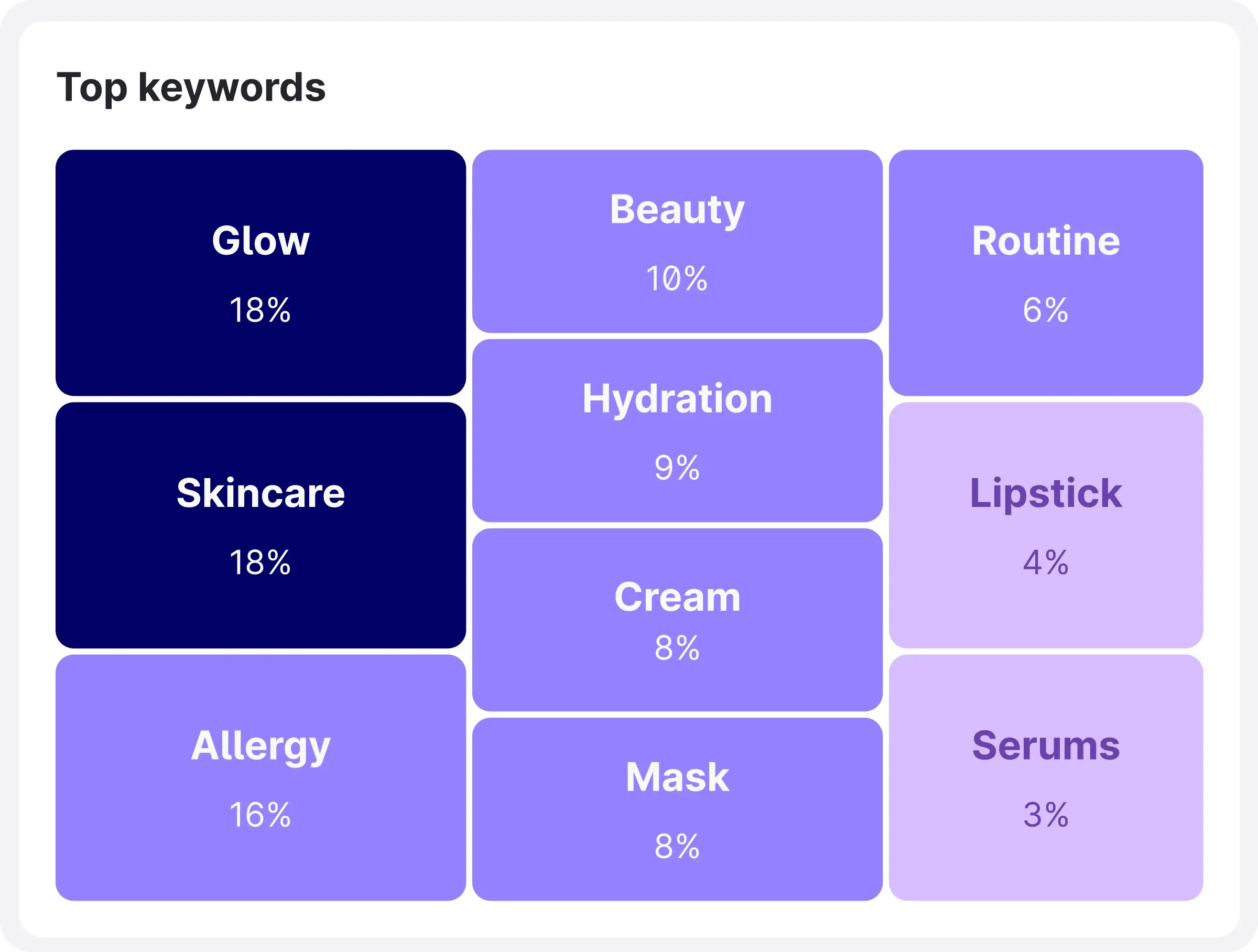
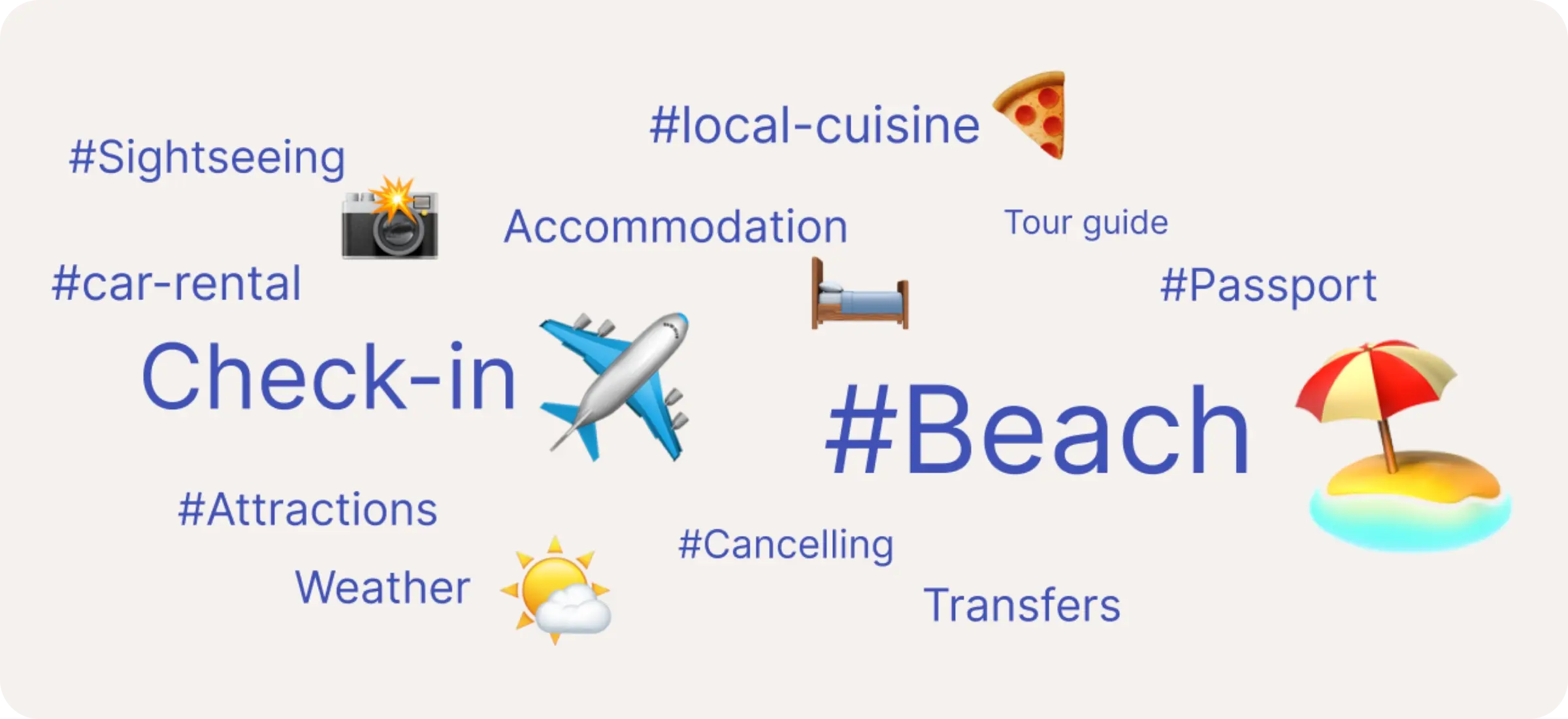
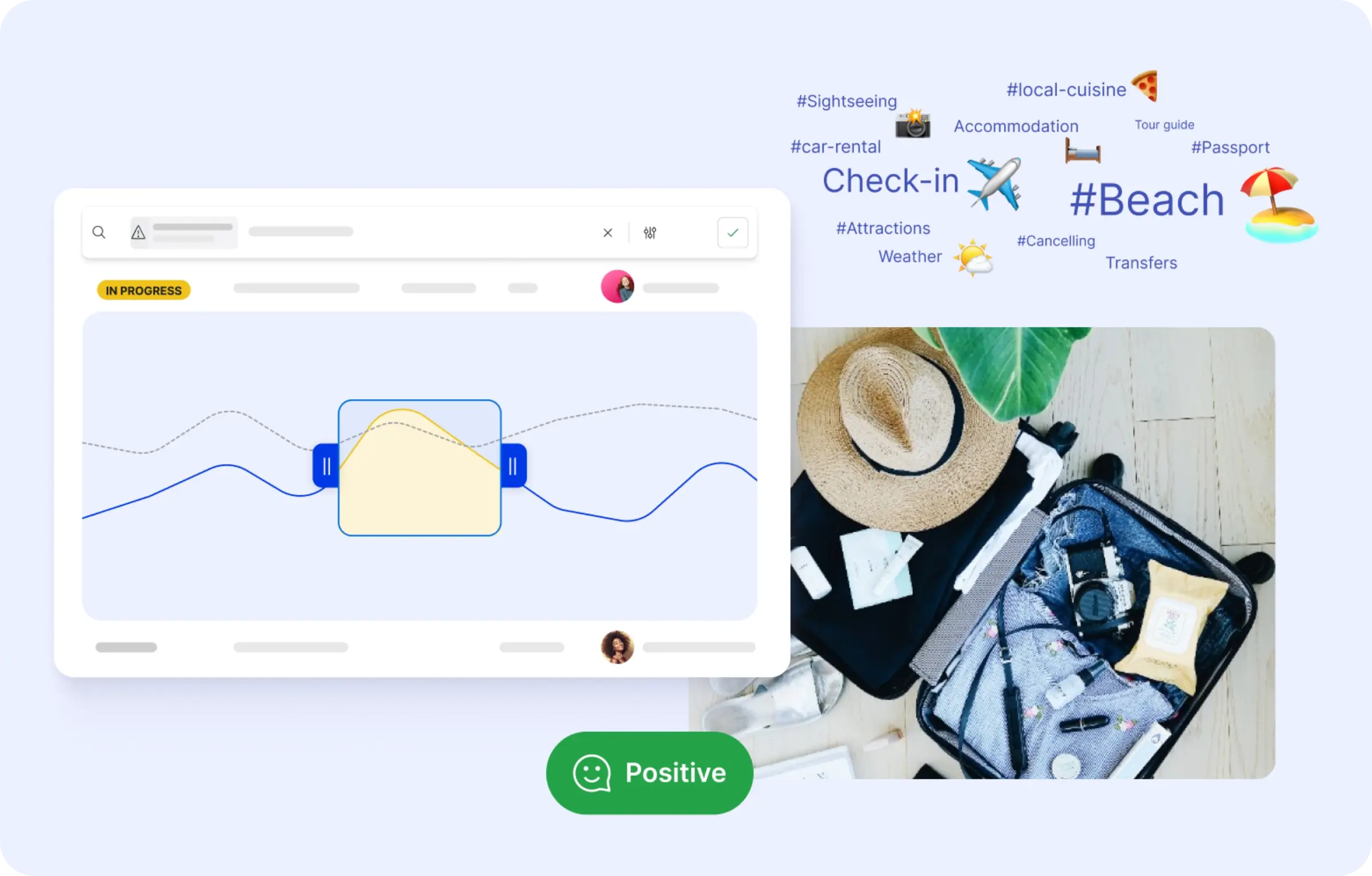
By analyzing large volumes of social media data, listening tools can uncover patterns in how audiences interact online including the topics they discuss, the communities they participate in, and the creators they follow.
This is known as audience intelligence – the process of analyzing social and digital conversations to understand the interests, behaviors, and motivations of your audience in real time.
For instance, with Emplifi’s AI-powered social listening platform, brands can analyze millions of social conversations and automatically identify clusters of users connected by shared interests and behaviors.
Emplifi processes millions of social data points in real time, enabling teams to uncover patterns and audience segments that would be impossible to identify manually.
Listening data can reveal:
These signals allow marketers to build far richer audience profiles than traditional research methods provide.

One of the most valuable outcomes of social listening is the discovery of hidden audience segments within your larger customer base.
These are known as ‘sub-tribes’ – smaller audience segments within your broader market, defined by shared interests.
For example, perhaps you’re a sports nutrition brand targeting fitness enthusiasts.
On a general level, your audience would simply be ‘gym-goers’. But deeper listening analysis might reveal three very different sub-tribes:
Endurance athletes
Strength-focused lifters
Busy lifestyle consumers
Each of these groups interacts with the same product category but for completely different reasons.
This level of insight is critical, especially when around 50% of consumers agree that the more brands know about them, the better service they can provide.
Understanding what their motivations are enables you to tailor:
Instead of one generic campaign that might not be relevant for each sub-tribe, your team can build highly targeted messaging for each segment.
Previously, this granular level of detail would have been difficult to achieve without hours of manual work. But AI has made it possible to scale your content production exponentially, allowing you to create highly personalized content for each sub tribe.
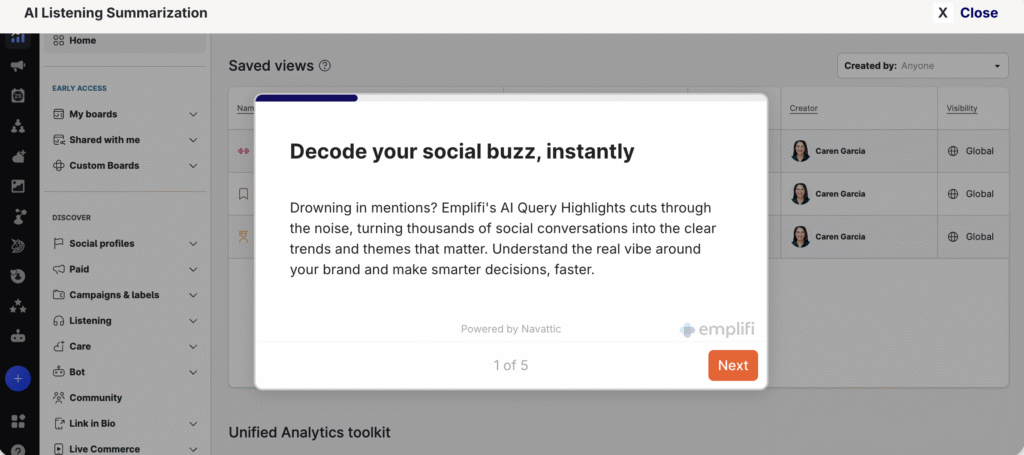
Click the image to explore an interactive tour of AI-powered listening summaries!
Audience intelligence also transforms how brands approach collaborations.
Right now, you might choose an influencer based on their follower count or relevance to your industry. This can be useful but it may not be what truly resonates with your audience.
Advanced AI-powered social listening, on the other hand, reveals the creators your audience already engage with. In fact, more than half of consumers say seeing people like them in content significantly increases purchase intent, reinforcing the importance of audience-aligned creators.
For example, a SaaS productivity brand analyzing audience conversations might discover that many of its users frequently reference a particular productivity podcast or niche creator.
This overlap signals a strong potential partnership opportunity to take advantage of. You already know that your audience engages with this creator, and their community will align with your customers.
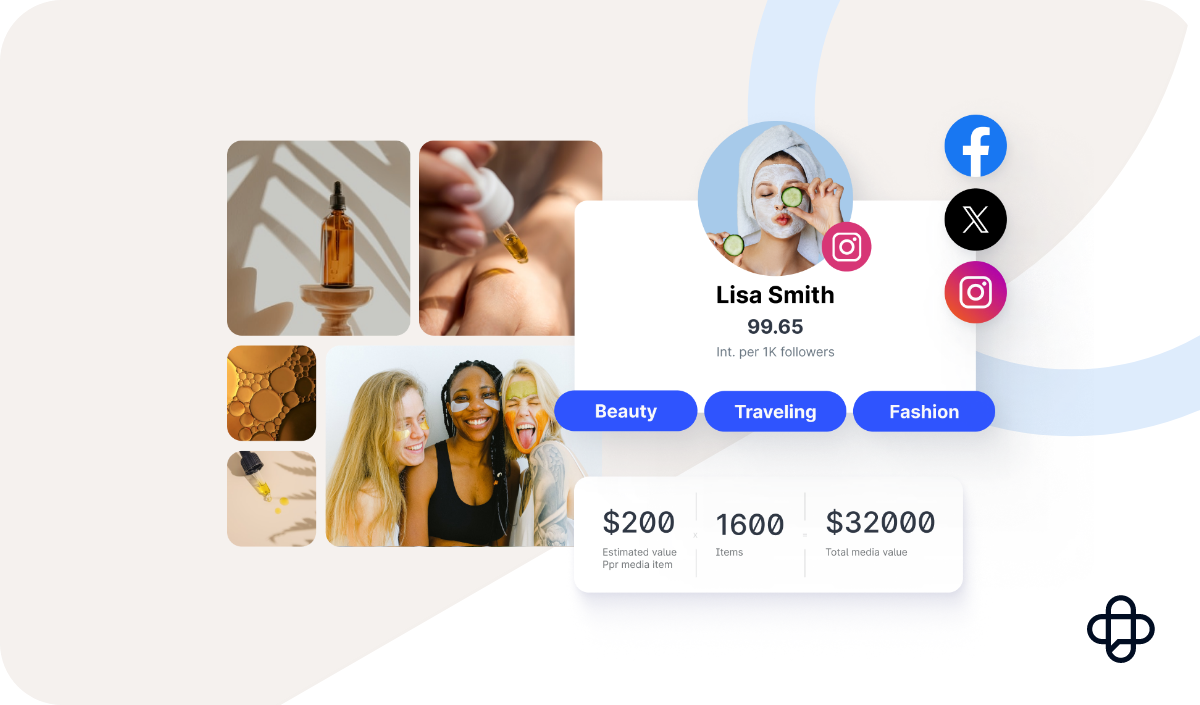
Social listening platforms like Emplifi enable teams to evaluate influencer relationships using real audience insights, including:
This takes the guesswork out of creator collaborations, and ensures partnerships feel authentic and relevant rather than purely promotional.

Whereas demographic data has tended to treat audiences as static, psychographic data recognizes that audience behavior constantly evolves.
New cultural trends can reshape conversations overnight, particularly on fast-moving platforms like TikTok.
For example:
These shifts can quickly influence how audiences talk about brands and products. Positive sentiment could swing to negative in just a few hours, and new conversations could emerge that may never have been on your radar.
With always-on listening tools, you can monitor how audience interests change in real time so that you don’t miss a beat.
For example, Emplifi enables teams to set up continuous monitoring that tracks:

Now that you understand what motivates your audience, you can use those insights to improve multiple areas of your marketing performance, such as campaign targeting and product positioning.
Brands that leverage AI-powered social listening are able to move faster, reduce manual analysis, and respond to trends before competitors.
For example, Crayola uses Emplifi’s AI-powered social listening platform to analyze social conversations and identify emerging trends across platforms like TikTok.
This approach has produced significant results:
Instead of manually reviewing thousands of posts, AI highlights the conversations that matter most, allowing teams to respond quickly and adapt their strategy in real time.
To move beyond demographic targeting, use social listening to identify what drives your audience and personalize your messaging with precision.
A modern audience intelligence approach typically includes several steps:
By centralizing these insights in platforms like Emplifi’s social listening dashboard, teams across marketing, product, and strategy departments can collaborate around a shared understanding of the audience.
To truly anticipate your audience’s needs, you need to understand:
Social listening unlocks this deeper layer of insight. Analyzing real conversations across social media and online communities gives teams the ability to uncover the motivations and behaviors shaping their market.
With Emplifi’s advanced audience intelligence and social listening capabilities, marketers can move beyond static personas and build strategies grounded in real behavior.
Discover the passions, communities, and hidden sub-tribes shaping your market. Get a demo of the Emplifi social listening platform today.
Psychographic segmentation groups audiences based on interests, values, lifestyles, and behaviors rather than demographic traits. This approach helps brands understand why customers make purchasing decisions.
Social listening analyzes conversations across social media and online communities to identify patterns in interests, sentiment, and behavior. These insights reveal natural audience segments that brands can target more effectively.
Yes. Audience insights reveal which topics, communities, and creators resonate most with customers. This information helps marketers refine targeting strategies and improve ad performance.
Brands can analyze social conversations to identify common interests, needs, and frustrations among their audiences. These insights help create data-backed personas that reflect real motivations rather than assumptions.
Emplifi’s AI-powered social listening platform analyzes millions of social conversations to identify patterns in audience behavior, interests, and sentiment. It automatically clusters audiences into meaningful segments, helping brands build data-driven personas, refine targeting, and create more relevant campaigns at scale.
Discover how Emplifi boosts efficiency, increases revenue, and scales your social media marketing — whether you have a small team or a complex product. Let’s talk today.
We’re recognized as a market leader in innovation, customer support, and ease of use from these organizations.