Blog
6 min read
Jan 23, 2026

The ultimate social campaign planning checklist for scalable, repeatable success

Claire Wilson VP of Marketing at Emplifi
Woman planning social campaign at her laptop

Key points

  • A strong creative idea can be let down without structured planning, clear ownership, and airtight execution.
  • High-performing social teams replace scattered tools and guesswork with repeatable, end-to-end workflows.
  • A unified campaign checklist helps teams move faster, reduce risk, and deliver measurable impact without increasing workload.

Every campaign begins with big ideas. But it’s disciplined execution, not creative alone, that turns ambition into measurable results.

A broken link, a missed approval, or a post going live at the wrong time can derail an otherwise flawless campaign. And this matters even more when the stakes are high, like the launch of a new product.

The most successful social teams use structured workflows to plan campaigns end to end, instead of relying on last-minute Slack messages or scattered spreadsheets.

Emplifi’s 2026 Marketing Strategy report highlights the need for consolidated tools when it comes to campaign planning. Most social teams are small (57% have 6 or fewer people), expectations are relentless, and burnout levels are high with 67% of marketers reporting it. The teams that are successful aren’t working harder; they’re building repeatable systems to simplify their processes.

In this guide, we’ll help you create a complete social media campaign checklist – from strategy to reporting – so nothing gets missed.

Map out your 2026 strategy

Build a winning marketing strategy with practical templates you can put to work immediately.

The anatomy of a flawless campaign

Great campaigns rarely happen by accident. They’re the result of clear goals and consistent execution across every channel and team involved.

As social teams work with other stakeholders from around the business, they might find themselves managing campaigns through a patchwork of tools – planning in spreadsheets, approvals over email, publishing in one platform, and reporting in another. This fragmentation creates risk. One missed update or outdated asset can cause costly mistakes.

But a solid campaign planning checklist provides repeatable, documented processes that guide every campaign from start to finish. And having one unified analytics platform to run your campaigns through makes it easier to manage social media governance, send approvals, and track performance.

Here’s how you can build a winning campaign planning checklist:

Phase 1: Strategy & definition

Before a single post is written, a campaign needs a clear reason to exist. This phase sets the foundation for everything that follows.

Define clear, S.M.A.R.T. goals

High-performing teams close the gap between strategic ambition and team capacity by narrowing focus early – aligning campaigns to clear business outcomes instead of chasing visibility everywhere. Defining S.M.A.R.T. goals upfront isn’t just good planning; it’s how teams protect time, budget, and momentum.

Vague objectives lead to vague results. Instead of ‘increase awareness,’ define what success actually looks like. For example:

  • Are you aiming to drive 500 demo requests?
  • Increase engagement by 15%?
  • Improve sentiment around a product launch?

Specific, measurable goals give your campaign direction and make reporting far more meaningful later on.

If you’ve run previously successful campaigns, why not take a look at the goals you set yourself then and use this to inform the results you can expect now?

Man looking at laptop, analysing his social search strategy

Plan smarter for 2026

Set your marketing direction with actionable templates built for scale.

Download now

Confirm your audience and platforms

It’s important to be strategic about the channels you’re using and align campaign goals to where your audience is already taking action.

With 39% of consumers preferring to engage with brands on social and nearly 50% making a purchase via social in the last 90 days, you could be missing out on engagement and sales if you focus on the wrong channels.

Define which buyer personas you’re targeting and where they’re most active by digging into your analytics data. Perhaps it’s:

  • TikTok for discovery
  • Instagram for engagement,
  • LinkedIn for consideration
  • Or a mix of all three.

This step ensures your social media launch strategy aligns with real audience behavior, not assumptions.

Example: Franco Manca’s ‘Map My Pizza Run’ campaign is a smart example of tapping into cultural moments to drive relevance and reach. By aligning with the January ‘get fit’ mindset, and focusing on key visual channels like Instagram and TikTok, the brand reframed pizza as part of an active, balanced lifestyle, encouraging runners to log routes in the shape of a pizza in exchange for money off their food.

Partnering with fitness-focused influencers like Giuseppe Federici helped amplify the idea, turning personal runs into shareable social content. The result was a campaign that felt timely, community-led, and naturally discoverable across social feeds.

Decide on KPIs before you launch

Choose your success metrics before you start your campaign. Most audiences follow brands for specific reasons with 64% seeking promotions and 57% wanting to learn about new products and updates. You can tap into this by setting specific goals that promote audience engagement or drive revenue.

For example, you might focus on:

  • CTR (Click Through Rate)
  • CPA (Cost Per Acquisition)
  • Engagement rate
  • Video completion
  • Sentiment.

Locking this in early prevents teams from retroactively redefining ‘success’ once the campaign is live. Make sure everyone is clear on communication and measurement reporting so no one is left behind.

Confirm your budget

One crucial element of campaign planning is confirming your exact budget, and understanding your expected ROI (if this is one of your KPIs) too. Get clarity on the maximum spend, and allocate to each channel accordingly.

You could also try budget pacing throughout the campaign so that you can increase spend on certain channels that are performing better than others.

Phase 2: Creative & asset production

Once the strategy is set, it’s time to bring the campaign to life.

Build a balanced content mix

Plan a mix of static visuals, carousels, and short-form video to meet audiences where they are, and how they prefer to consume content.

Short-form video, in particular, plays a critical role in reach and discovery across platforms like Instagram Reels and TikTok. Emplifi’s CMO Blueprint reveals that marketers are increasingly allocating spend to short-form video with around:

  • 33% of spend going to Instagram
  • 31% of spend going to YouTube
  • 30% of spend going to TikTok

Nearly half of younger consumers say the appearance of a post influences their likelihood to buy, and 28% of social purchases are driven by humor alone, showing the impact of content that speaks to your audience.

Ensure every piece of content is on-brand and provide a clear and consistent CTA (Call To Action) across channels and formats.

Example: Nike’s ‘Why Do It?’ campaign is a strong example of short-form storytelling built for the feed. The campaign reworks Nike’s iconic ‘Just Do It’ line to resonate with a new generation of sports fans who prioritise authenticity, cultural relevance, and community. The creative is optimized to stop the scroll with quick takes and emotional performances, making it highly shareable and primed for engagement. It shows how brands that align creative strategy with audience behavior can drive stronger connection and measurable social impact.

@nike Why risk it? Because you can. #JustDoIt ♬ original sound - Nike

Establish a clear approval process

Without a defined social media approval process, posts get delayed, or worse, published without sign-off. But automated approval workflows ensure the right stakeholders review content at the right time, preventing unauthorized posts and last-minute scrambles.

Structured approval workflows, and usage rights management for influencer or UGC content, allow teams to move faster without sacrificing brand control or compliance.

Centralize asset management

Campaign assets should live in one central library, not scattered across drives and inboxes. You should:

  • Organize files by campaign
  • Apply usage rights and expiration dates
  • Make sure teams are always working from the latest version

This reduces risk, speeds up production, and keeps your brand compliant.

Mercy Ships used Emplifi to turn global social operations from scattered and reactive into coordinated and strategic. By centralizing their social content across regions and programs, they were able to unify their team, no matter where they were logging in from.

There was no central place to share our global and national content. We wanted to consolidate all social media efforts into one centralized platform to be able to share content among each other. Our goal was to have one voice, one brand, and one story. The platform makes everyone more efficient and effective. We were able to create dashboards for each region so they can easily monitor their own campaigns.
Francesco Paolo Tuzzolino
Digital Marketing Director

Streamlining their social management with Emplifi, including analytics and publishing, the organization gained real-time visibility into sentiment and performance while dramatically reducing manual effort.

The result was a 328% increase in their engagement rate and a 107% growth in their community size, all while allowing teams around the world to collaborate from a single, unified social media management platform.

Phase 3: Logistics & setup

This is where campaigns often get technical, and where small mistakes can make it difficult to analyze results later.

Lock down UTM governance

Consistent tracking links are critical for accurate attribution. Define UTM naming conventions before launch so traffic from social media can be properly measured in Google Analytics and other reporting tools.

Schedule for impact, not convenience

Posting when it’s convenient for your team isn’t the same as posting when your audience is active. Scheduling tools that analyze historical performance help identify peak engagement windows, so content lands when it’s most likely to be seen.

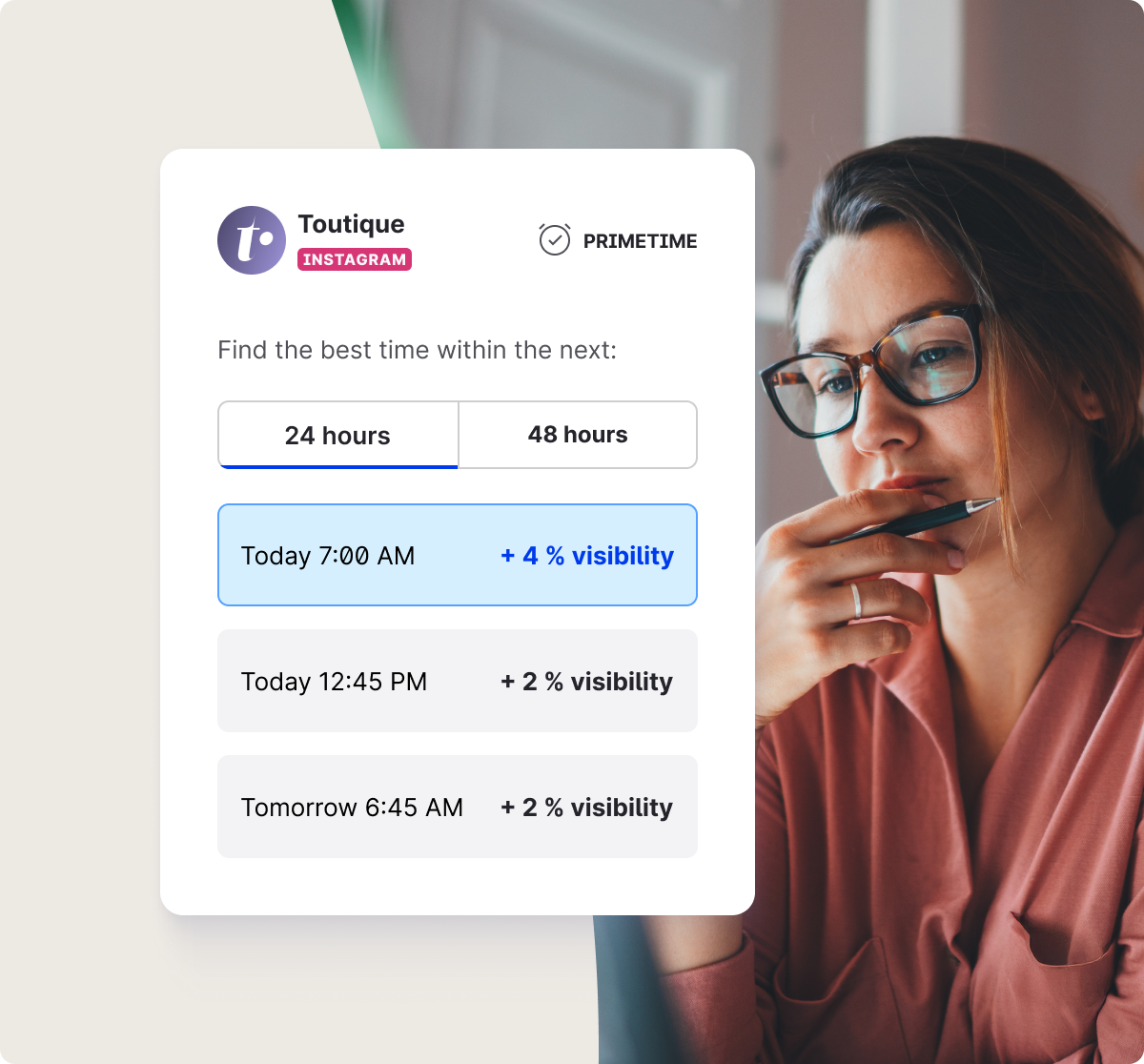
Emplifi’s PrimeTime feature helps you find the best possible times to post across your social media channels, so you can further your reach and increase engagement.

Emplifi PrimeTime feature, showing higher engagement rates at certain times

Brief your social care team

While most of your campaign attention has likely been focused on the creative, the importance of social care can’t be overstated. After all, what good is an eye-catching visual if your audience is left with unanswered questions or issues that aren’t escalated?

Customers now expect instant, personalized interactions, with social increasingly treated as a frontline channel for both marketing and service. With more than 50% of customers saying brand responses influence perception, campaign success now depends on how quickly teams can respond, adapt, and engage, not just how well they launch.

Ensure your customer care or community management team has a clear FAQ and escalation plan so they’re ready to respond to any customer concerns as soon as the campaign goes live.

Pre-approved templates, like those used in the Emplifi platform, can be set out before the campaign starts so that your social care team has a playbook to refer to once you go live.

Phase 4: Launch & live monitoring

Launch day is where preparation pays off, but it’s not a ‘set it and forget it’ moment.

Perform a final Quality Assurance (QA) check

Immediately after posting, check everything: links, tags, copy, visuals, and formatting. Catching issues early can prevent wasted spend and negative user experiences.

Engage early and often

The first wave of engagement matters. Actively responding to comments boosts visibility and signals relevance to platform algorithms. It also sets the tone for how your brand shows up in the conversation.

With over one-third of consumers expecting replies within an hour – and perception shaped by every interaction – campaigns live or die in the comments and DMs.

Monitor sentiment in real time

Even well-planned campaigns can land differently than expected. Real-time sentiment analysis helps teams spot negative trends early and pivot messaging if needed, before issues escalate into full-blown crises.

Sentiment tracking moves campaigns from reactive to resilient. Brands that monitor audience response in real time are better equipped to course-correct early, protect brand trust, and sustain performance throughout a campaign lifecycle.

National Bank of Kuwait used Emplifi’s social media analytics and listening tool to track real-time audience sentiment, helping teams understand how content was landing and adjust messaging fast. Sentiment insights played a key role in shaping campaigns like Let’s Be Aware, ensuring communications stayed relevant and engaging. The campaign contributed to dramatic performance gains, including:

  • 623% increase in content impressions
  • 471% boost in video views
Tracking sentiment has been crucial for us. These insights into customer preferences have allowed us to maximize engagement and refine our campaigns effectively.
Gabriel Karam
Head of Digital Marketing at NBK

Phase 5: Post-mortem & reporting

A campaign isn’t finished when the last post goes live; the real value comes from what you learn afterward.

Compare results against benchmarks

Revisit the goals and KPIs defined in Phase 1. For instance,

  • Did the campaign hit its targets?
  • Where did it exceed expectations or fall short?

Comparing campaign results against benchmarks – and against customer sentiment, not just clicks – turns reporting into a strategic input for future planning.

SOCIALEYEZ used Emplifi to centralize publishing, analytics, and reporting across teams, cutting manual reporting time by nearly 40%. With AI-driven insights and sentiment analysis, the agency optimised campaigns in real time, driving a 120% increase in engagement on key launches. The improved visibility into performance and brand health also helped secure a two-year client contract renewal.

Having one unified platform was a game-changer. Emplifi streamlined the way we track, publish, and analyze campaigns across all channels, cutting down manual reporting time by nearly 40%.
SOCIALEYEZ spokesperson

Document learnings for next time

Every campaign should improve the next one. Capture lessons learned – what worked, what didn’t, and what you’d change – and feed them back into your campaign planning checklist.

Over time, this creates a repeatable, scalable marketing campaign workflow. Standardized workflows help teams improve performance without increasing effort, campaign after campaign.

Emplifi’s automated reporting delivers real-time insights through scheduled emails and customizable dashboards, helping teams report and analyze performance up to 5× faster.

Social campaign readiness scorecard

Before you launch, check each box. Miss one? Fix it before you go live.

Strategy
☐ Clear business objective
☐ S.M.A.R.T. goals and KPIs locked

Audience & channels
☐ Target personas defined
☐ Platforms chosen based on real behavior

Creative & approvals
☐ Core idea and messaging aligned
☐ Assets approved and centrally stored

Execution
☐ UTMs and tracking applied
☐ Content scheduled for peak engagement
☐ Social care team briefed

Measurement
☐ Benchmarks set
☐ Real-time performance and sentiment tracked
☐ Learnings documented post-campaign

Final thoughts: Plan, execute, and measure in one place

Marketing leaders are being asked to deliver more impact, faster, without increasing headcount. As channels converge and customer expectations rise, success no longer comes from working harder, but from working smarter. That means replacing fragmented execution with connected workflows that scale.

By centralizing planning, approvals, publishing, and analytics, teams can replace scattered spreadsheets with a single source of truth, and confidently execute their next campaign. 

Leave the spreadsheets behind. Get a demo to see how Emplifi’s unified analytics platform supports every step of your campaign, from the first draft to the final report.

Frequently Asked Questions

Most high-impact campaigns require at least 4-6 weeks of planning, especially when approvals, creative production, and media planning are involved. This gives teams enough time to test ideas, refine messaging, and avoid last-minute compromises. Larger or multi-market launches often need even more lead time to stay coordinated.

A strong brief clearly outlines goals, target audience, key messages, content formats, platforms, timelines, and KPIs. It acts as a single source of truth for creative, social, and analytics teams. When everyone is aligned upfront, execution moves faster and results are easier to measure.


Set approval workflows at the start of the campaign so everyone knows who signs off and when. Centralising feedback and using automated approval tools keeps reviews moving and avoids endless email chains. This reduces bottlenecks and helps campaigns launch on schedule.

The best way to track ROI is to use consistent UTMs alongside platform analytics to track traffic, engagement, and conversions. Connect this data to reporting tools that link social performance to real business outcomes like revenue or leads. This makes it easier to prove impact beyond likes and impressions.

Daily or weekly check-ins work best for active campaigns where optimisation matters. These updates help teams adjust creative, targeting, or spend in real time. Deeper reporting should follow key milestones and wrap up with a post-campaign analysis.

Insights from Emplifi

Explore our latest blogs and comprehensive guides designed to help you master customer experience strategies and drive growth.

Ready to fuel your CX and social media marketing?

Discover how Emplifi boosts efficiency, increases revenue, and scales your social media management — whether you have a small team or a complex product. Let’s talk today.

What can you expect?

  • A partner who cares about your strategy and objectives
  • Live demo showing how we differentiate from the pack
  • No pressure, just advice
Get a demo

Outpace your competition with easy-to-use, innovative solutions

We’re recognized as a market leader in innovation, customer support, and ease of use from these organizations.