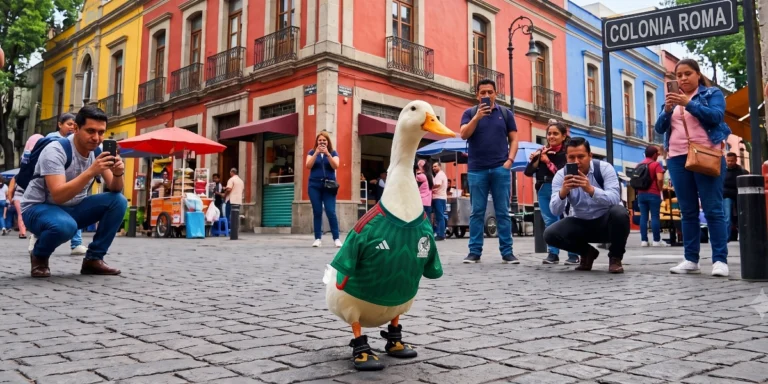
More than 5 million social interactions. Nearly 4.5 billion potential impressions. And a domestic duck wearing sneakers and a national team jersey that, without any marketing strategy or media plan, became one of the most beloved unofficial mascots of the global football tournament.
While brands competed for attention throughout the tournament, one of the week’s most important customer experience lessons came from an unexpected source: a duck named Merlín.
At Emplifi, we tracked the cultural moments, audience behaviours, and sentiment shifts shaping the tournament conversation in real time using our Social Listening and Social Media Analytics solutions.
What emerged wasn’t just a story about a viral internet phenomenon. It was a powerful example of how customer experience increasingly unfolds within culture itself.
The brands that understand these moments are often the brands that create more relevant, more human, and more memorable customer interactions.
This article is part of Emplifi’s ongoing tournament social intelligence series:
The most unexpected story of the week came from Mexico City.
Known online as “El Pato Merlín” (@soyelpatomerlin), a duck owned by a local family quickly became a social media sensation after appearing in tournament-related content wearing sneakers and a national team jersey.
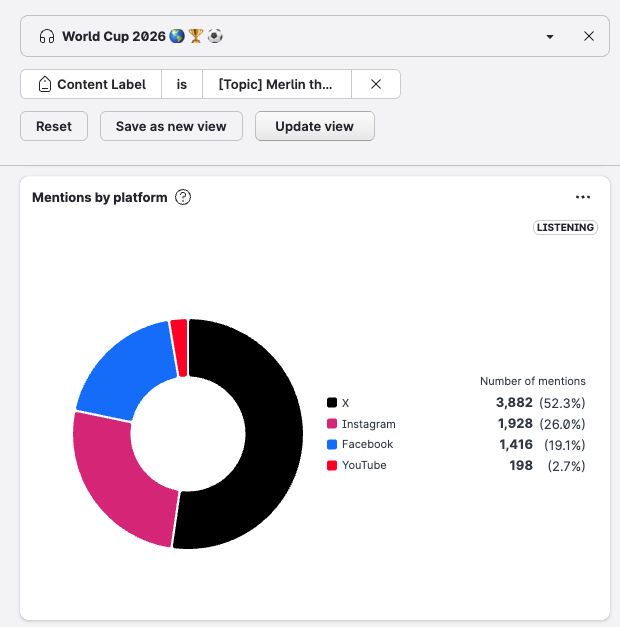
Within the tracked period (feb 23 – jun 24), just 7,424 mentions generated more than 5 million social interactions and nearly 4.5 billion potential impressions.
The conversation spread rapidly across platforms:

Geographically, Mexico generated the highest mention volume, while the United States generated the highest engagement.
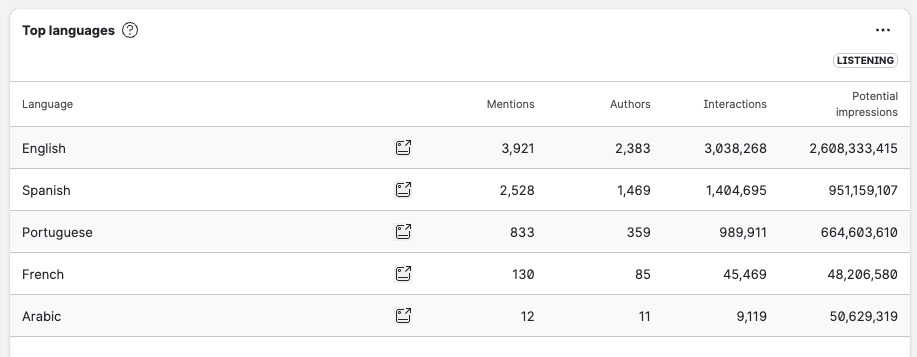
The conversation was equally global in language:

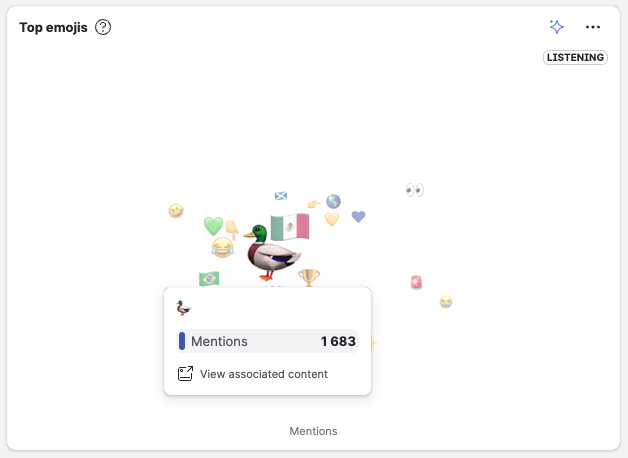
And it was unmistakably emotional, filled with symbols of identity, celebration, and humour:

What makes the Merlín story interesting from a customer experience perspective is not the duck itself. It’s the audience response.
People didn’t engage because the content was polished or professionally produced. They engaged because it felt authentic, unexpected, and human.
That is increasingly how consumers evaluate brand interactions as well. Some notable examples included:
Volaris used Merlín as a spokesperson to build anticipation around an upcoming announcement, tapping directly into the character’s growing popularity.
IHOP Mexico joined the conversation by inviting fans to enjoy tournament matches with its “pa-todos” menu offerings, connecting its products to the broader cultural moment.
Atlante FC embraced the phenomenon by naming Merlín an honorary member of the club, creating a natural crossover between football culture and community engagement.
What makes these examples interesting is that none of the brands created the trend. Instead, they identified an existing audience behaviour and participated in a way that felt native to the conversation.
For customer experience and social teams, this is an important distinction. The goal is rarely to manufacture culture.
The opportunity is to recognise when a cultural moment aligns naturally with your audience and engage in a way that feels authentic rather than promotional.
For years, customer experience was largely confined to private channels.
A support ticket.
An email exchange.
A phone call.
Today, customer experience increasingly happens in public spaces: social platforms, comment sections, community discussions, and cultural moments that millions of people experience simultaneously.
The same customer asking a support question in the morning may be participating in a viral cultural trend later that afternoon.
This shift creates both an opportunity and a challenge.
Brands that understand the context surrounding their audiences can engage in ways that feel more relevant and timely. Brands that ignore those signals risk sounding disconnected from the conversations their customers are already having.
This is where modern Social Customer Care and Social Media Customer Service strategies increasingly overlap with social listening.
The goal is not to force participation in every trend.
The goal is to understand what matters to your audience while it matters.
While Merlín captured attention in the Americas, the broader tournament conversation revealed important patterns in how audiences express emotion across platforms and regions.
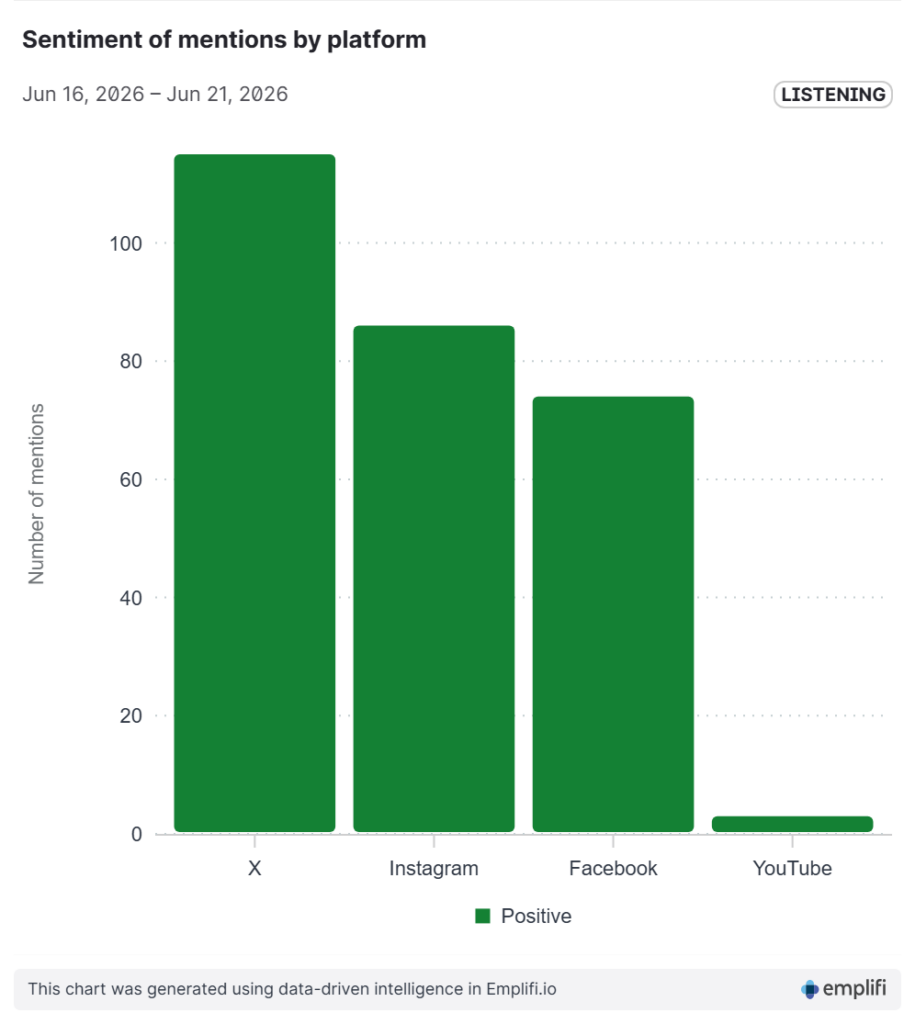
From June 16–21, Instagram emerged as the primary destination for positive conversation, generating 744,290 mentions and significantly outperforming Facebook (162,969) and YouTube (7,857).

For customer-facing teams, this distinction matters.
Different platforms foster different emotional environments. Understanding where positive conversation naturally occurs can help brands prioritize engagement and community-building efforts more effectively.
Several countries stood out for both conversation volume and engagement:
Language patterns reveal similar opportunities:
Insights like these help brands use Social Media Analytics to better understand audience behaviour across markets and channels.
The tournament conversation reinforced several important lessons for customer experience leaders.
The Merlín trend accelerated rapidly, peaking at 6,234 mentions and 3,878 unique authors in a single day.
Moments like these demonstrate how quickly attention shifts online.
Brands that can identify emerging conversations early have a greater opportunity to engage while interest is still growing.
This is where real-time Social Listening becomes particularly valuable.
The Merlín story succeeded because it felt genuine.
There was no campaign.
No media buy.
No elaborate activation.
Just a simple story that people wanted to share.
The same principle applies to customer interactions.
Consumers increasingly respond to communication that feels authentic, contextual, and human.
Instagram generated the highest concentration of positive conversation throughout the period.
That doesn’t mean every brand should focus exclusively on Instagram.
It means customer experience teams should understand how audience behaviour differs across channels and adapt their engagement strategies accordingly.
The same message may perform very differently depending on where it appears.
Customer interactions do not happen in isolation.
Every customer conversation exists within a broader cultural environment.
Understanding what audiences are celebrating, discussing, and sharing provides valuable context that can improve how brands engage with customers.
The goal is not to chase trends.
It’s to understand the environment in which customer relationships are being built.
One of the most interesting findings from the data is how major brands naturally became associated with positive conversation.
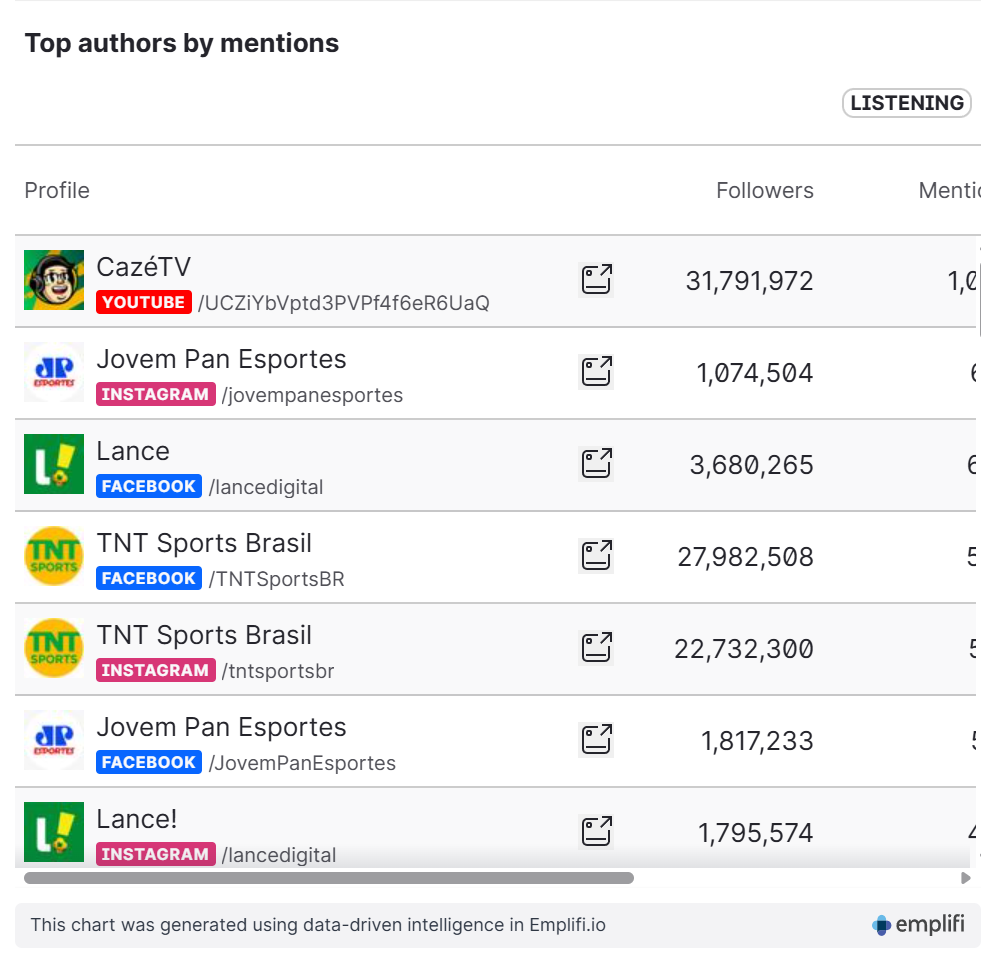
Digital broadcasters such as CazéTV generated more than 7.5 million interactions from positive tournament-related content.
Major global brands, including Coca-Cola, accumulated hundreds of millions of potential impressions through positive tournament associations.
Football clubs such as Manchester United and FC Bayern Munich generated more than 1 billion potential impressions each through highly engaged fan communities.

The lesson is not that brands should replicate these organisations.
The lesson is that participation in positive cultural moments can significantly amplify visibility, engagement, and audience affinity.
The Merlín phenomenon demonstrates something larger than a viral moment. It highlights how customer experience and culture are becoming increasingly interconnected.
Consumers do not separate their experiences into categories.
They move seamlessly between entertainment, social media, customer interactions, and community conversations.
The brands that understand this shift will be better positioned to create experiences that feel relevant, timely, and human. Because increasingly, customer experience isn’t just about solving problems.
It’s about understanding the moments that matter to your audience.
Want to see how cultural moments, audience sentiment, and emerging trends evolve throughout the tournament?
Explore Emplifi’s Football Social Intelligence Hub for live insights into fan behaviour, engagement trends, and social conversation.
Discover how Emplifi’s Social Listening platform helps brands identify cultural moments, understand audience sentiment, and turn real-time insights into meaningful customer engagement.
Explore:
Data in this report was captured using Emplifi Social Listening and social analytics capabilities, which monitored public conversations across major social platforms during the tournament period.
Emplifi is an independent analytics provider. This content is not affiliated with or endorsed by any tournament organizer or official sponsor.