On 29 April 2026, ANZ marketing leaders gathered to compare notes on a tough year and map out the one ahead. Three themes emerged from the room: fixing the foundations of social, navigating a generational shift in audiences, and writing the playbook for 2026.
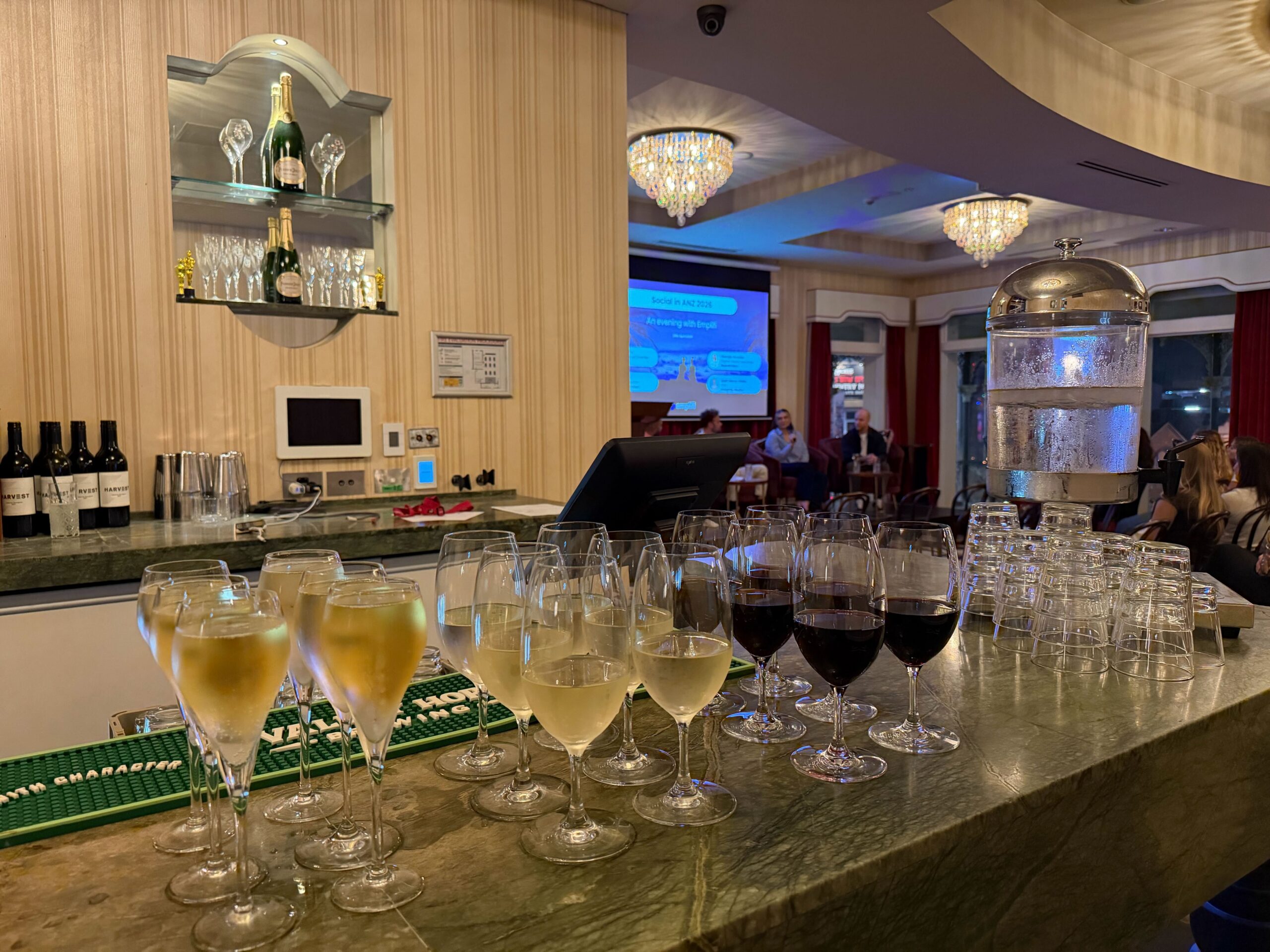
The evening began the way most good marketing conversations do: with a drink in hand and a quiet acknowledgement that the last twelve months had not been easy. Senior marketing, social, and digital leaders from across Australia made their way to Brisbane, where Emplifi had set up the latest stop on its Social in ANZ series. By the time the canapes were circling, small clusters of attendees were already trading the kinds of stories that never quite make it into a quarterly review.
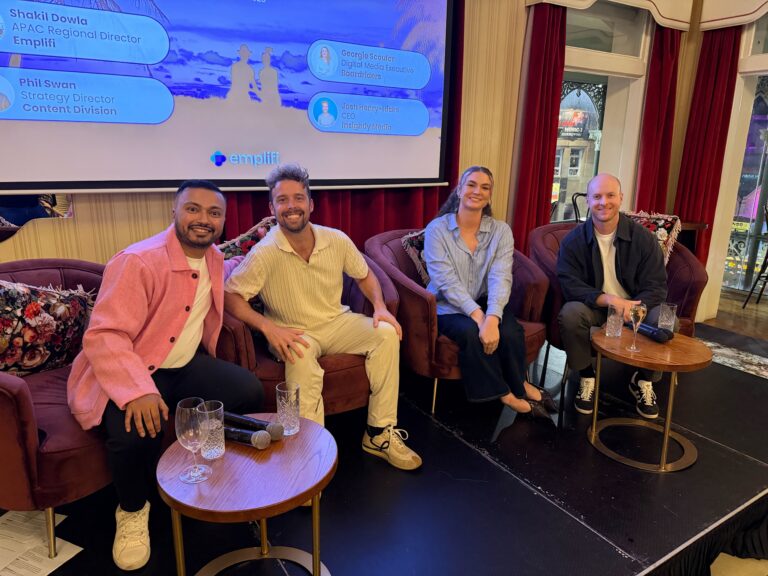
When the panel took the stage, the room settled in. Georgie Scoular, Digital Marketing Specialist at Boardriders, joined Josh Henry-Hicks, CEO at Insightly Media, and Phil Swan, Strategy Director at The Content Division. Shakil Dowla, Regional Director of Sales, APAC at Emplifi, moderated, opening the conversation as less “state of the industry” lecture and more candid debrief among peers. Over the course of the evening, the discussion moved across three connected themes: the operational state of social heading out of 2025, how generational behaviour is reshaping content strategy, and the playbook ANZ leaders are building for 2026.

The first part of the conversation felt less like a recap and more like a confession. A clear theme from the evening was that 2025 was the year the foundations of social finally came under proper scrutiny, and the people running those programs were ready to admit how much of the work was still operational. Stories surfaced about approvals that took longer than the cultural moment itself, dashboards that answered the wrong question for a CFO, and content workflows held together by spreadsheets and goodwill.
What gave the section its energy was not the diagnosis but the relief in the room when it was named out loud. The panel explored how teams that made real progress in 2025 stopped trying to scale new content formats on broken plumbing. Instead, they redesigned the unglamorous parts: clearer escalation paths between marketing, legal, and care; pre-approved building blocks for the moments brands keep being caught flat-footed by; and reporting frameworks that finally tied social to the conversations leadership were having about pipeline, retention, and customer service load. By the end of the section, the discussion focused on a quieter but more important shift, that senior leaders are no longer treating social as a nice-to-have brand layer. It is being asked, plainly, to show up as a revenue and retention function with the same accountability as the rest of the business.
The actionable point for ANZ marketing leaders heading into 2026 is unsentimental: fix approvals, fix reporting, and tie social to the metrics the executive team already cares about before layering on new content ambitions.
The second part of the evening turned to the audience, and the mood shifted from operational to creative. The panel explored how a single-strategy social plan is becoming harder to defend in a market where Gen Z, Millennials, Gen X, and Boomers are now active on overlapping platforms but interacting with content in very different ways. Examples moved across categories: lifestyle and fashion brands seeing one generation favour creator-led narratives while another still rewarded the polished hero spot; service brands learning that long-form explainers landed in places short vertical video did not; community-style posts pulling unexpected weight in segments that had been written off as low-engagement.
A clear theme from the evening was that fragmentation is now the baseline, and authenticity is what holds the work together across it. The discussion focused on how audiences across generations are filtering for what feels real, not just what looks polished, and how UGC and creator partnerships are increasingly being asked to do more than awareness. They are showing up in consideration and conversion, especially in retail, fashion, and lifestyle categories where buyers look for proof from people who already use the product. The practical point was that authenticity is an operational decision rather than a creative slogan, dependent on rights management, briefing standards, response times, and a willingness to let creator voice sit alongside brand voice without overproducing it.
The practical takeaway for ANZ digital and social leaders is to build a repeatable engine rather than a campaign-by-campaign scramble: a short list of creator partnerships the brand can return to across moments, a UGC program with rights and briefing already wired in, and a content calendar that flexes by audience without inflating production.
By the time the panel reached the year ahead, the discussion focused on what the ANZ social playbook should look like in 2026, with a throughline less about new tactics and more about operational maturity. Brands described moving away from chasing every cultural moment toward choosing the ones that mapped to their positioning, then measuring those moments against the same commercial KPIs as the rest of the marketing mix.
A clear theme from the evening was that genuine community, not raw audience numbers, is becoming the more useful metric for 2026. The panel explored the difference between large but passive followings and smaller, more engaged communities that show up in comments, DMs, and reviews. Community-led models convert more slowly, but they retain more strongly and feed a steadier signal back into product, content, and care. Sitting underneath that, real-time engagement during live moments, drops, partnerships, and care spikes was described as a competitive edge that depends on the same foundations the first part of the evening covered: fast approvals, listening that surfaces the right signals, and a single workflow across marketing and care. By the closing exchanges, the brands describing strong 2026 plans were the ones that had already invested in the systems and ways of working that make culture, commerce, and community workable at the same time.
For 2026, the action is narrower than it sounds: pick the cultural moments the brand can actually own, build the listening and approval workflow that lets the team move inside those moments, and treat community engagement as a leading indicator for retention rather than a soft brand metric.
As guests moved back into the reception room, the conversation continued the way it had started, in small, unrushed clusters. The consensus from the evening was that the basics still carry most of the value, and that the brands willing to fix the foundations in 2026 will be in a stronger position to invest in community, creators, and real-time engagement with confidence.
Discover how Emplifi boosts efficiency, increases revenue, and scales your social media marketing — whether you have a small team or a complex product. Let’s talk today.
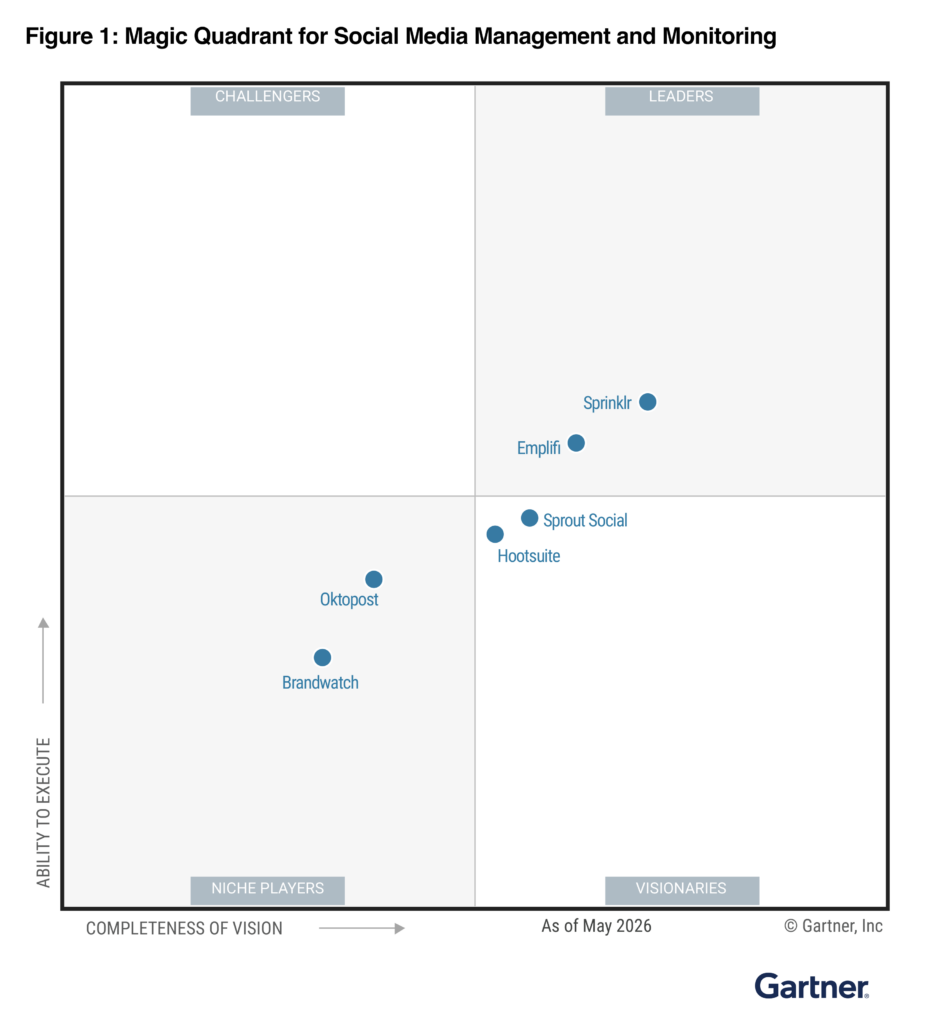
We’re recognized as a market leader in innovation, customer support, and ease of use from these organizations.