For many non-profit organisations, social media is one of the most powerful tools for building awareness, engaging supporters, and driving action. Yet when EOFY reporting, board meetings, or budget planning discussions come around, many marketing and communications teams struggle to clearly demonstrate the value of their efforts. The challenge is not a lack of impact. It is having the data and insights needed to tell that story effectively.
One of the biggest barriers is that performance data is often spread across multiple platforms, from Facebook and Instagram to LinkedIn, TikTok, and beyond. As a result, teams spend valuable time manually pulling reports together rather than analysing what is actually resonating with their communities. Bringing this data into a single view makes it easier to understand audience engagement, identify successful campaigns, and provide stakeholders with a clear picture of performance.
When reporting to leadership teams, boards, or donors, it is important to focus on outcomes rather than vanity metrics. Instead of simply reporting likes, comments, or follower growth, connect social media activity to broader organisational goals such as increasing awareness, growing supporter engagement, driving event participation, or strengthening community advocacy. Pairing data with real examples of campaign success helps turn numbers into meaningful insights.
As expectations around accountability and ROI continue to grow, benchmarking performance against similar organisations can provide valuable context. Understanding how your social media efforts compare across the sector helps identify strengths, uncover opportunities for improvement, and support future planning. For NFP teams preparing for EOFY and beyond, having access to clear, consolidated insights can make all the difference when demonstrating impact and securing support for the year ahead.
Related guide: Open the Social Snapshot Benchmarking guide to map channels, stakeholders, and next actions before June 30.
The problem is very rarely a lack of impact. It’s usually a lack of the right data. With performance spread across Facebook, Instagram, LinkedIn, and TikTok, teams spend more time manually compiling reports than analyzing them. The result is that real results get lost in the noise when they’re most needed: during board meetings, donor conversations, and budget planning.
Emplifi recommends shifting the focus from vanity metrics like likes and follower counts to outcomes that connect to organizational goals like awareness growth, supporter engagement, and community advocacy. Pairing this with sector benchmarks adds context that turns numbers into a compelling case for continued investment in the year ahead.
It’s a widespread challenge. Emplifi research found 57% of social teams have fewer than six people, yet 76% report experiencing burnout at least occasionally. AI is helping: 82% of marketers say it improves productivity, but most gains are still moderate rather than significant. The teams pulling ahead are investing in smarter workflows, clearer goals, and better cross-functional collaboration to scale without burning out their people.
Discover what Emplifi can do for you. We turn small teams into large ones, and large teams into well oiled machines, but either way, we offer the rocket ship, you just need to jump on.
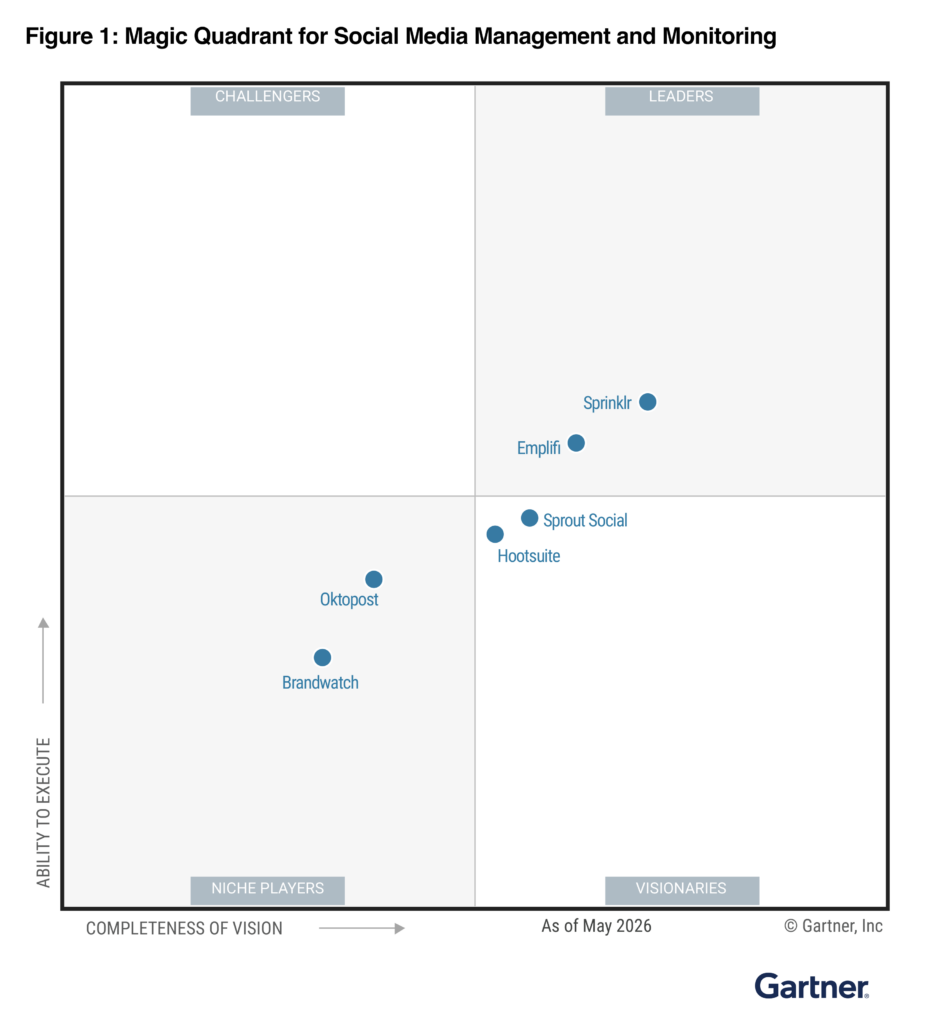
We’re recognized as a market leader in innovation, customer support, and ease of use from these organizations.