2026 Gartner® Magic Quadrant™

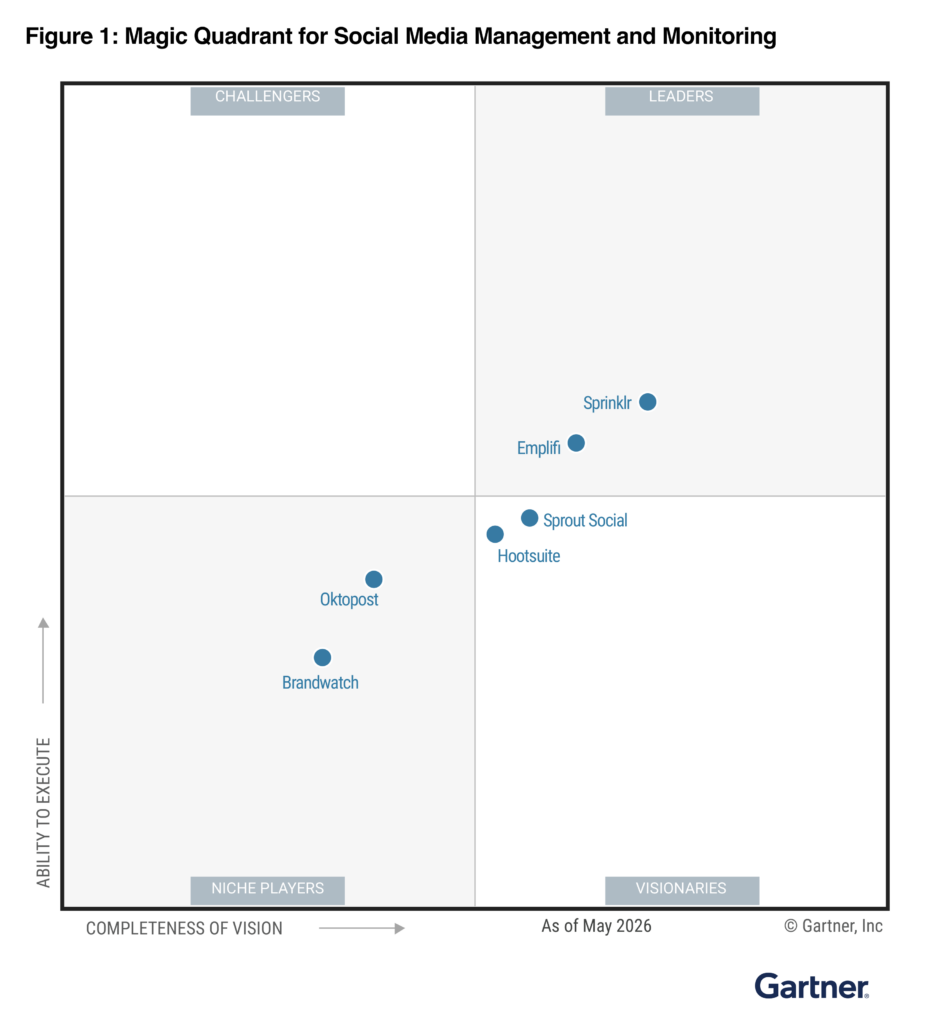
Emplifi named a Leader in the 2026 Gartner® Magic Quadrant™ for Social Media Management and Listening

Get the Report

Emplifi named a Leader in the 2026 Gartner® Magic Quadrant™ for Social Media Management and Listening Get the Report

Meta Social Media Strategy

Everything You Need to Know About #Hashtags on Facebook in 2026

Facebook introduced hashtags over a decade ago, but are they still relevant today? Yes. Using hashtags on Facebook can significantly boost your content’s visibility, reach the right customers, and align with how Meta’s algorithms surface content in 2026.

Here is your comprehensive guide to using Facebook hashtags effectively today.

The History and Relevance of Facebook Hashtags

Facebook hashtags generated massive buzz when introduced in 2013, though usage eventually dwindled. However, Facebook has since actively revived and evolved this tool.

Beginning in 2020, Facebook began recommending hashtags via drop-down menus and notifying creators that hashtag use could directly boost organic reach and improve Facebook SEO. Today, Meta emphasizes hashtags as a primary way to bring conversations about public events, popular television shows, sports, breaking news, and niche interests to the forefront of the platform.

Why Use Hashtags on Facebook?

Using hashtags provides three major benefits for brands and creators:

  • Increased Findability: Hashtags boost social media SEO by increasing your post’s visibility beyond your immediate followers. Aligning with trending hashtags can also increase your post’s chances of going viral.

  • Omnichannel Consistency: Hashtags keep your marketing campaigns consistent across all your social media channels.

  • Community Building: Hashtags foster online communities by providing a sense of belonging among users with shared interests, encouraging interaction, and aligning potential customers with your brand messaging.

How Do Facebook Hashtags Work?

Hashtags function on personal profile posts, fan page posts, group posts, event posts, and comments. Every hashtag on Facebook has its own unique URL.

When a user clicks a hashtag, they are redirected to a dedicated feed for that specific topic. While hashtags are typically placed at the end of a post, they can also be incorporated organically into the post copy (e.g., “I’d #ShareACoke with Allie. #CokeChallenge”).

How Do I Create and Generate Hashtags on Facebook?

There are two primary ways to create hashtags in 2026, including native integration with Meta AI:

  1. The Manual Method: Type the number symbol (#)—or hash—followed by a relevant word. Facebook will automatically recognize it and recommend related and trending hashtags via a drop-down menu.

  2. Using Meta AI: Meta now heavily encourages using Meta AI to brainstorm and refine hashtags. You can upload your content or provide a list of concepts to Meta AI directly within the platform, prompting the assistant to generate highly tailored hashtags based on your specific niche, audience, and campaign goals.

Hashtag Strategy: How Many Should I Use?

You should use 1 to 3 hashtags per Facebook post.

Unlike platforms like Instagram or X, Facebook posts with only one or two highly relevant hashtags historically see the highest average engagement rates. Avoid “hashtag stuffing,” as you do not want your post to look like a wall of text.

Meta’s Official Strategy Guidance:

  • Mix Niche and High-Volume Hashtags: High-volume hashtags reach larger audiences but face heavy competition, while lower-volume, niche hashtags reach smaller but more targeted audiences. Meta advises that a mix of both yields the best results.

  • Prioritize Relevance: Meta explicitly warns creators to avoid loosely related hashtags. While irrelevant hashtags might temporarily increase impressions, they will reduce your overall engagement quality and hurt your long-term algorithmic standing.

How Do I Search for Hashtags on Facebook?

The simplest way to search for a specific hashtag is by using the main Facebook search bar. Alternatively, you can enter [facebook.com/hashtag/](https://facebook.com/hashtag/)<word> into your browser, substituting <word> for your chosen phrase. Because all hashtags become clickable links, you can also simply click on a relevant hashtag in your feed to see all public posts and comments using it.

10 #Hashtag Tips to Follow

Marketers are taking full advantage of hashtags to reach the right audiences. You can explore the Facebook hashtag search itself for ideas under #HashtagTips, and apply these best practices:

  1. Start a Challenge: Launch a giveaway or challenge that requires followers to use a specific hashtag to boost engagement.

  2. Drive Traffic via URLs: Use each hashtag’s unique URL to drive traffic from other sites, source user-generated content (UGC), or feed social proof directly to your website.

  3. Maintain Omnichannel Consistency: Use a unique, unified hashtag across all social channels to increase brand trust and reputation.

  4. Research the Market: Look at your industry and target market to find valuable hashtags outside of what Facebook natively suggests.

  5. Save Hashtag Groups: Cluster your hashtags by product, campaign, or topic so you can quickly apply them to future posts.

  6. Capitalize for Accessibility: Capitalize the #FirstLetterInEachWord (CamelCase) to make your hashtags readable and accessible to screen readers.

  7. Analyze Competitors: Monitor which hashtags your competitors are using to leverage successful trends for your own brand.

  8. Audit Best Posts: Use a social listening platform to audit your top-performing historical posts and add hashtags to them for additional visibility.

  9. Partner with Creators: Search which hashtags influencers are using and add them to your list. You can easily do this using an influencer platform.

  10. Test and Measure: Always test your hashtag performance over time to see what specific combinations work best for your unique page.

What About Privacy, Moderation, and Filtering?

When using hashtags, it is important to understand how Meta handles user privacy, content moderation, and algorithm filtering:

  • User Privacy: You control who sees your posts. Public posts with hashtags are visible on public hashtag pages. If you publish a post with a hashtag set to “Friends-only,” the hashtag is clickable and will display other public posts, but your post will only be visible to your friends. Individual comments on threads do not surface in global hashtag searches.

  • Misinformation Moderation: Meta actively moderates hashtag pages. If content is rated as false or partly false by third-party fact-checkers, its distribution is reduced, which includes being actively removed from hashtag feeds.

  • User Filtering (Hidden Words): Meta empowers users with a “Hidden Words” tool, allowing them to add specific hashtags to a personalized blocklist. Meta’s algorithm will actively work to stop recommending content that contains those specific hashtags to that user.

The Next Step to Using Hashtags Effectively

As the famous quote by Peter Drucker goes, “If you can’t measure it, you can’t improve it.” If you want to make the best use of Facebook hashtags, you must understand the impact they have on your posts.

Using a dedicated platform helps you easily see the engagement trends of all your posts, making it simple to compare posts with different hashtags. In addition, you can track hashtag use on Facebook by using a listening platform, which empowers you to see the sentiment trends behind the conversations they generate.

If you’re serious about your hashtags getting traction, get a personalized demo of our full social media marketing solution.

What’s Emplifi? Recently named a Leader in the 2026 Gartner® Magic Quadrant™ for Social Media Management and Listening, Emplifi is a unified Autonomous CX platform designed for every social media touchpoint (from social marketing, to commerce and customer care). Powered by Fuel AI, our Emplifi Fuel platform makes teams of 5 run like teams of 50.

FAQs

Questions? We have the answers!

Yes. Using hashtags on Facebook remains a powerful way to boost your content’s visibility, reach the right customers, and align with how Meta’s algorithms surface content. They increase findability, help maintain omnichannel consistency, and foster community building.

You should use 1 to 3 hashtags per post. Unlike platforms such as Instagram, Facebook posts that use only one or two highly relevant hashtags historically see the highest average engagement rates. Meta explicitly warns against “hashtag stuffing,” as loosely related hashtags can reduce your overall engagement quality.

Yes, Meta heavily encourages using Meta AI to brainstorm and refine hashtags directly within the platform. You can upload your content or provide a list of concepts, and the AI assistant will generate highly tailored hashtags based on your specific audience, niche, and campaign goals.

Ready to fuel your teams with A-CX?

Discover what Emplifi can do for you. We turn small teams into large ones, and large teams into well oiled machines, but either way, we offer the rocket ship, you just need to jump on.

What can you expect?

  • A live walkthrough of Emplifi Fuel tailored to your specific social marketing, commerce, and care needs
  • A benchmark of how your brand performs against peers in your industry
  • A partner who understands your business, and 22,000 others
  • A concrete action plan to go from disjointed teams to A-CX
Get a demo