Influencer marketing helps brands discover the right creators, build authentic partnerships, and drive measurable business impact through data-led campaigns.
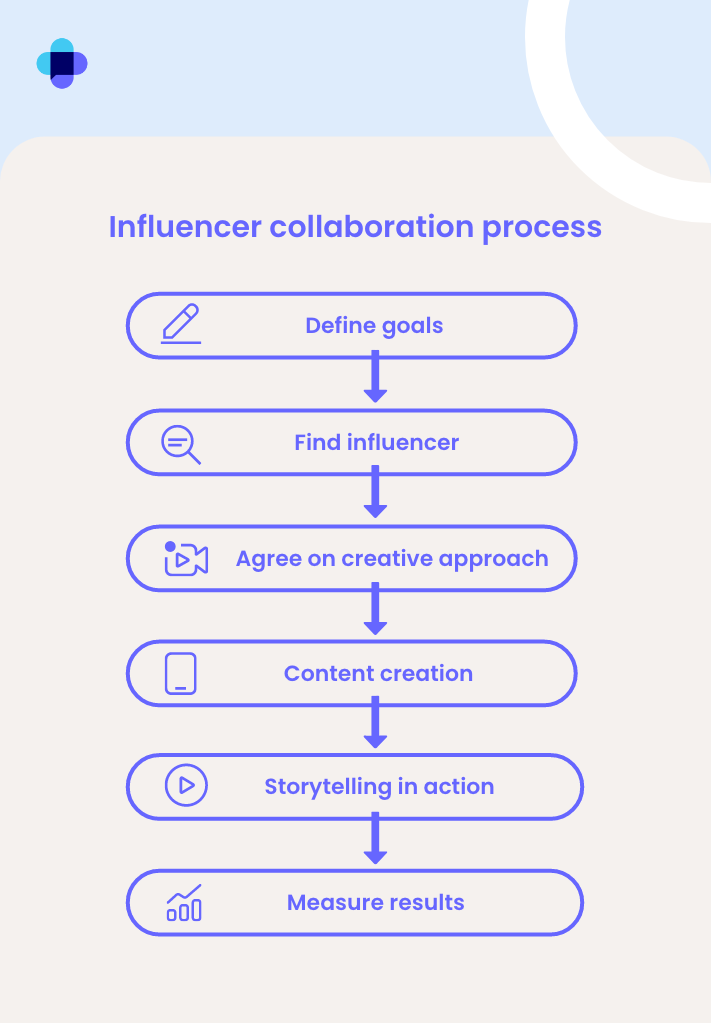
Influencer marketing plays a significant role in many brands’ marketing mix today. To launch any successful campaign that truly connects with your audience — and drives notable results — it’s essential to first:
And there’s perhaps no better way to gain these insights than to hear from influencers directly.
Check out the infographic below for a sneak peek at just some of the key influencer marketing stats Pixlee TurnTo uncovered.

Influencer marketing is a strategy where brands collaborate with content creators to promote products or services in a way that feels authentic to their audience. It matters because today’s consumers are more likely to trust recommendations from people they follow than traditional advertising, making influencer content a powerful way to build credibility, increase reach, and drive measurable action across the customer journey.
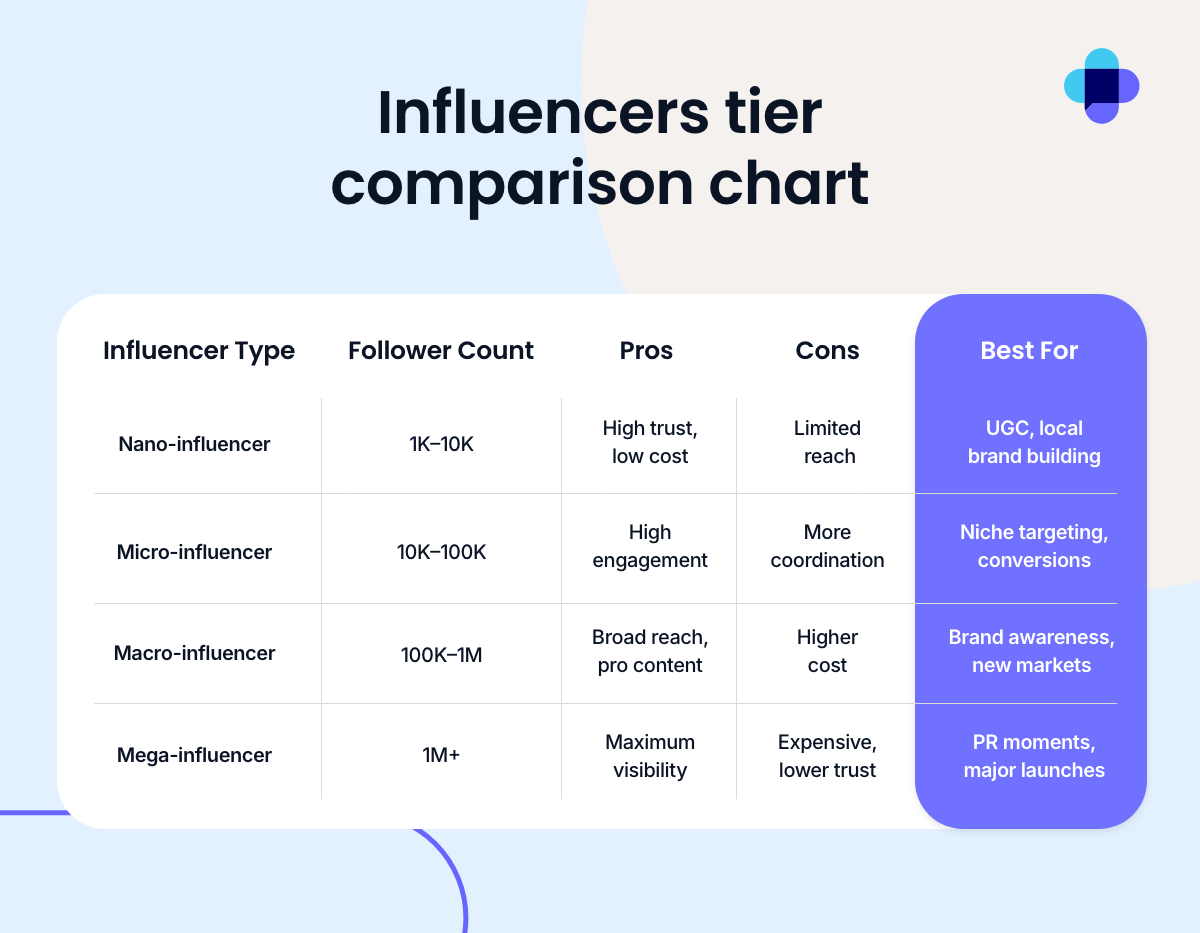
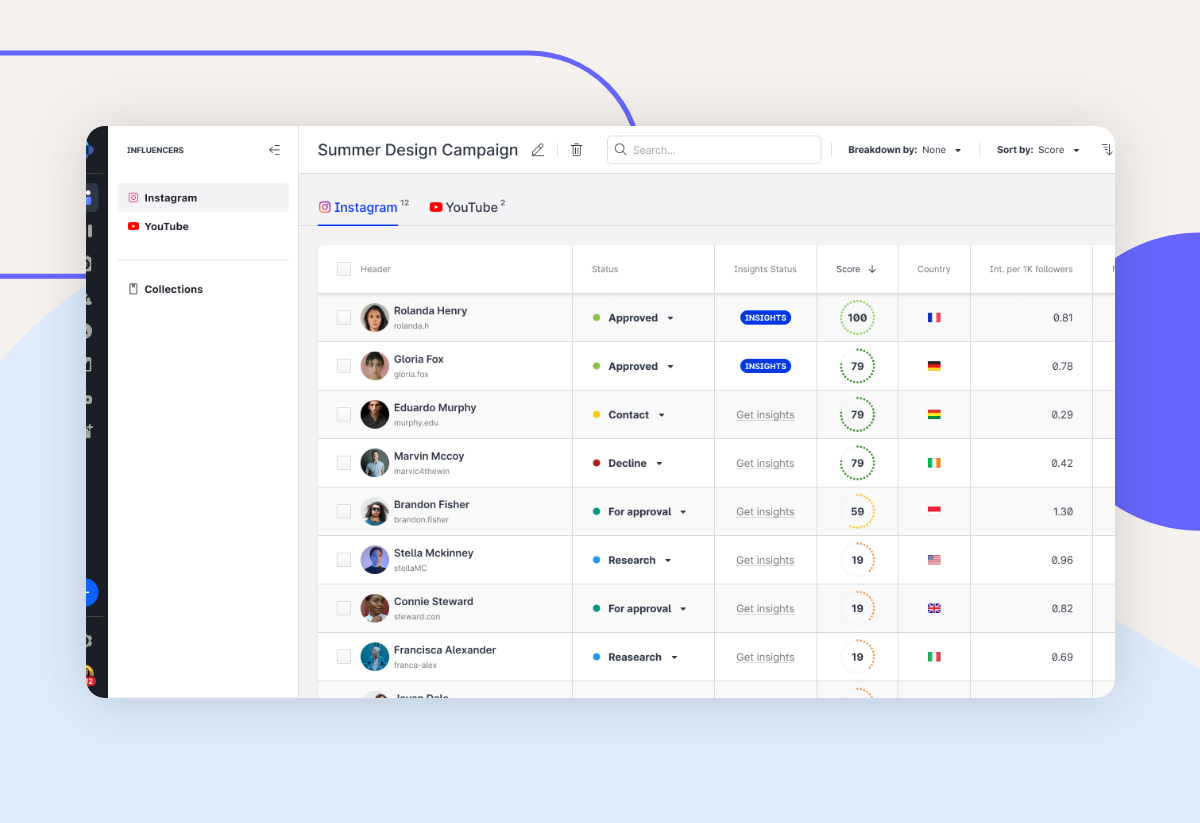
Brands use a combination of audience data, engagement metrics, content relevance, and past performance to evaluate potential influencers. Rather than focusing only on follower size, the most effective strategies prioritize alignment, ensuring the creator’s audience, tone, and content style match the brand’s goals and values.
Yes. Modern influencer marketing relies on data to track performance across key metrics such as reach, engagement, click-through rates, conversions, and revenue impact. This allows brands to understand what’s working, justify investment, and optimize campaigns based on real results rather than assumptions.
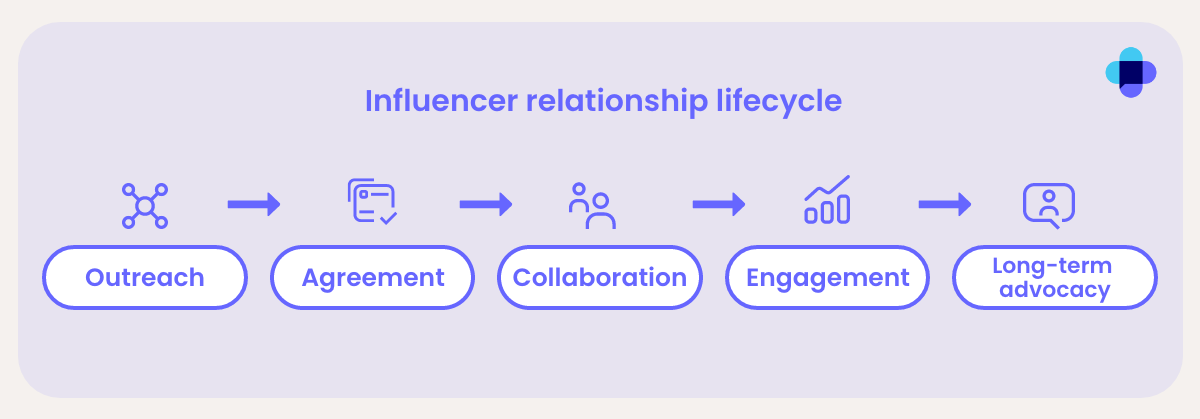
Successful partnerships are built on authenticity, alignment, and consistency. Long-term collaborations tend to perform better than one-off campaigns because they allow creators to build genuine connections with their audience around a brand, leading to stronger trust and higher conversion rates over time.
Yes. Influencer marketing can be highly effective for brands of all sizes. Smaller brands often benefit from working with micro-influencers, who typically have highly engaged audiences and can deliver strong results without the cost of larger creators.
Common challenges include finding the right influencers, managing multiple relationships, maintaining brand consistency, and accurately measuring performance. Without the right tools or processes, campaigns can become fragmented and difficult to scale effectively.
Brands can improve efficiency by centralizing campaign management, using structured workflows, and leveraging tools that support collaboration, content approvals, and performance tracking. This helps reduce manual work and ensures campaigns remain organised and scalable.
Influencer marketing works best when integrated with wider social, content, and commerce strategies. When aligned with other channels, it can amplify reach, reinforce messaging, and create a more cohesive customer journey from discovery through to purchase and retention.
Discover how Emplifi boosts efficiency, increases revenue, and scales your social media marketing — whether you have a small team or a complex product. Let’s talk today.
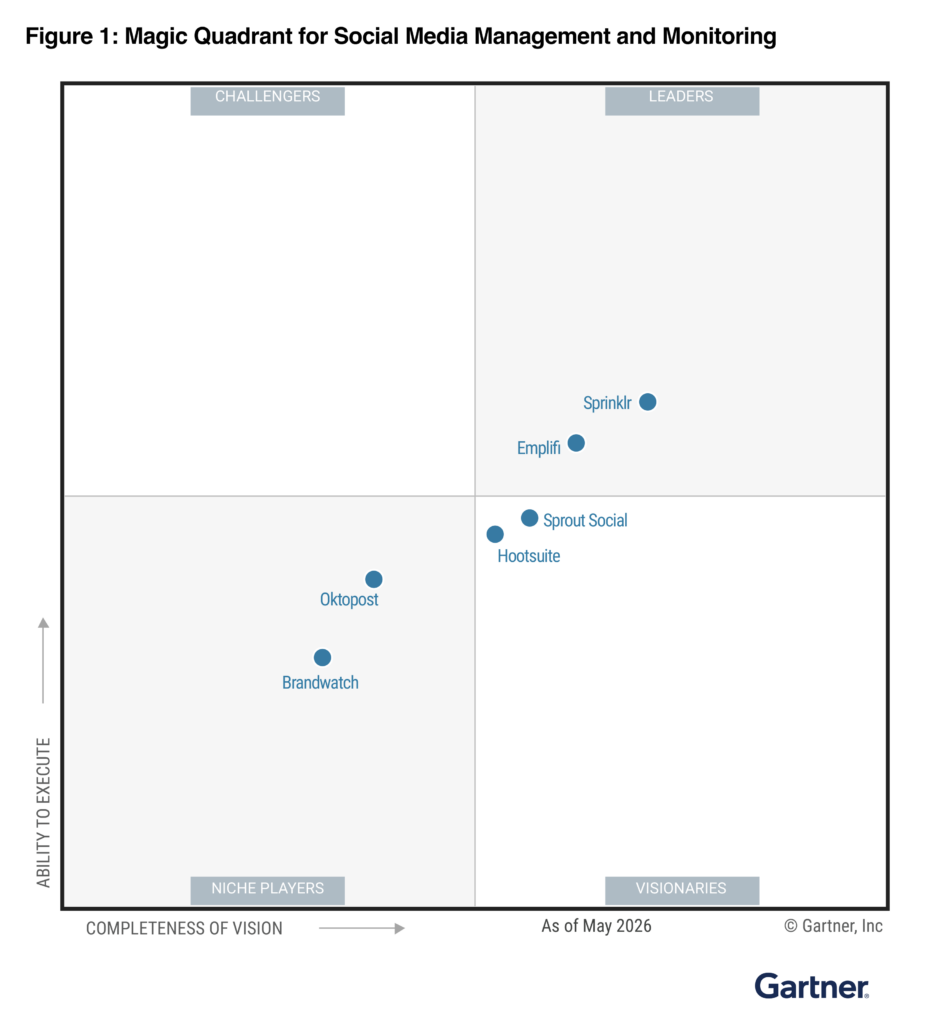
We’re recognized as a market leader in innovation, customer support, and ease of use from these organizations.