

Customer engagement for modern consumers starts with social media. With 5.2 billion users across social platforms today, every brand has an unprecedented opportunity to connect, listen, and build lasting relationships at scale. Social media is no longer just a channel for content distribution. It’s the primary surface where customer experience is won or lost, in real time.
That shift has broader implications: the social media engagement signals brands collect today; comments, DMs, sentiment patterns, response times, are becoming the inputs that drive autonomous customer experience (A-CX) systems. With agentic AI, those signals don’t just inform strategy after the fact; they trigger immediate, automated action across care, commerce, and marketing, without waiting for a human to intervene. Brands that treat social engagement as operational data, not just a performance metric, are the ones building the infrastructure for truly autonomous CX.
What does customer engagement mean?
Customer engagement refers to the experiences a customer has with a brand throughout their entire customer journey. Engaging customers means creating good relationships, keeping them loyal, and giving them value. This creates good experiences that make customers want to continue buying from a brand and tell others about it.
This includes things that assist customers, like educational info, customer support, loyalty programs, and interactive platforms like social media. The goal is to create a real bond with the customer, promoting ongoing engagement and involvement with the brand.
Engaged customers are happier and more loyal, leading to increased satisfaction and advocacy. They are likely to have positive experiences with the brand and share them with others, particularly for brands who prioritize authenticity.
Social media engagement is one of the strongest predictors of customer loyalty and long-term retention; explore why social media is the key to customer engagement for the full picture.
Entry#5fKHhc9MS44NtB07oKwtnL
What is the role of social media in customer engagement?
Brands use social media to quickly connect with customers, engaging with their audience in real-time for effective communication. It enables companies to share content, engage in conversations, respond to customer queries, and gather feedback directly from customers.
Brands can use social media to connect with customers in a personal and interactive way, building a community. This immediate and dynamic form of communication enhances customer satisfaction and loyalty, driving engagement beyond traditional advertising means.
Social media is crucial for customer experience as it is always available to customers in their everyday lives. Customers expect businesses to be available on social media whenever they need assistance.
Here are specific ways social media now impacts your customer engagement:
Increase brand awareness
Social media significantly amplifies brand awareness by enabling users to share and view content with a vast, global audience. Brands can attract new customers by posting often, making engaging content, and running interactive campaigns instead of traditional marketing. Social media management platforms make it easier to share a brand’s message with specific groups. This helps target the right audience and reach more people.
Improve customer experience and satisfaction
Social media enhances customer experience and satisfaction by providing a direct channel for communication and support. Brands can assist customers, address issues, and provide personalized support on social media.
This helps people view your brand positively. By watching social media and feedback, you can learn what customers like and want. This helps you improve your brand’s products and services to better meet customer needs.
Foster customer feedback and loyalty
Your activity on social media fosters customer feedback and loyalty by creating an open forum for customers to share their experiences and thoughts about your brand. This feedback is invaluable for brands looking to improve their products and services.
Interacting with customers on social media can build a loyal group of supporters. These supporters may then recommend your brand to others, which can boost trust and loyalty in your brand.
Increased website traffic and eCommerce conversions
Remember how modern consumers crave social proof? Typically, that proof comes in the form of social media spread across your customer journey. That means that social media – like UGC, ratings and reviews, or influencer content – can help boost your website traffic and improve eCommerce conversion rates.
It does this when brands deploy social proof in key places that validate purchase decisions – like this example from Wool and the Gang that increased the repeat-visit rate by 362% and doubled the likelihood of purchase. Brands that use engaging content can spark interest and lead potential customers to explore more about your products or services through shoppable links in posts, bios, and ads.
How to improve customer engagement with social media
Social media is a powerful tool for improving customer engagement, fostering brand loyalty, and driving business growth. Here are some strategies to leverage social media for enhanced customer engagement:
Build relationships with customers
Engage in meaningful conversations with customers on social media. Respond to comments, mentions, and direct messages in a timely and personalized manner. Show appreciation for customer loyalty and support, fostering a sense of community and connection. Social listening is crucial to staying updated on trends impacting customers and understanding their behaviors.
Share authentic content
People sharing their opinions on social media is a valuable form of word-of-mouth advertising. This is done through user-generated content (UGC) and reviews, which can be effective in reaching a wide audience. A study by Emplifi and Harris Interactive found that 71% believe positive user reviews labeled as “authentic” influence consumer buying choices. This means using reviews and real customer content in your marketing is an important way to connect with customers.
Connect your community and customer care teams
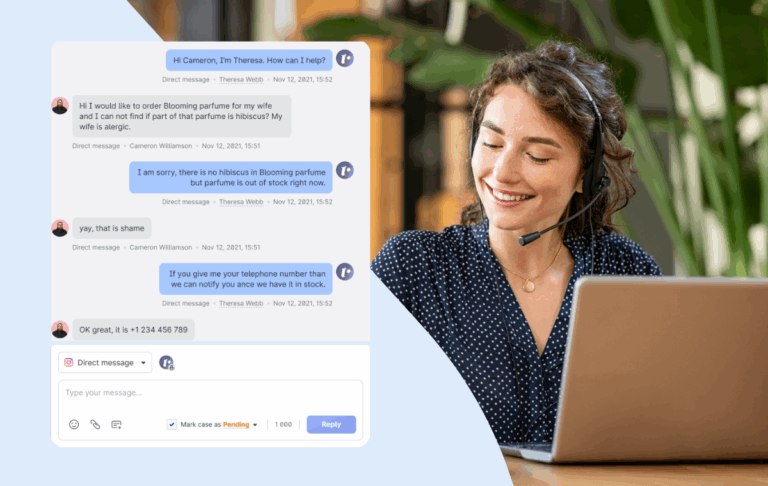
Utilize social media as a customer service channel, promptly responding to queries, complaints, and feedback. Address concerns efficiently and effectively, demonstrating a commitment to customer satisfaction. For that to work, you must ensure the customer doesn’t have to jump through the hoops of messaging a social media profile for one inquiry and digging to find customer service for another. To provide good social customer care, connect with your customers and understand their needs and experiences.
Run social events, contests, and giveaways
Organize social media contests and giveaways to generate excitement, attract new followers, and reward existing customers. Design contests that align with your brand and target audience, encouraging participation and UGC. These moments can drive social media engagement around holidays, priority eCommerce events, or any important dates to your customers.
Collect customer feedback
Leverage social media as a platform to gather customer feedback, insights, and suggestions. Encourage customers to share their experiences, opinions, and ideas through polls, surveys, and direct messages. Use this feedback to improve products, services, and overall customer experiences. To maintain an effective relationship with your customers, you must regularly seek feedback.
These steps can help improve how you engage with customers on social media and across their entire journey. But to do that effectively and efficiently, you likely need a customer engagement solution.