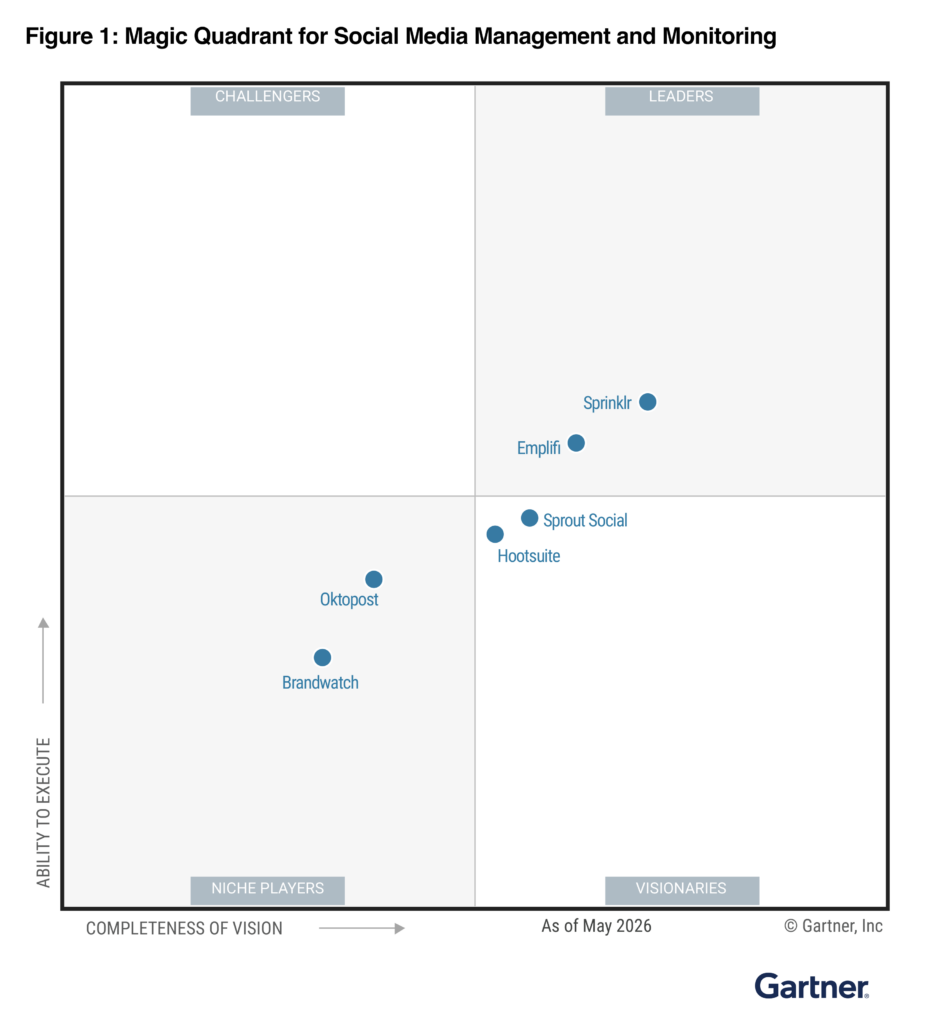
Paid, owned, and earned rarely run as one coordinated campaign. More often it’s three teams, three platforms, and three separate reports that never get reconciled into a single story. Closing that gap takes a shared brief, a unified content calendar, and a shared performance dashboard.
You’ve sat through this campaign debrief too many times:
But nobody in the room can say how the campaign performed as a whole, whether the three channels reinforced each other, or what the combined result was actually worth.
This is what channel silo looks like in practice: three separate successes that never add up to one coherent campaign story.
The fix lies in breaking down the silos so every channel contributes to one connected campaign strategy. Here’s how to do it.
In 2026, a successful campaign is built on understanding how paid, owned, and earned activity influence one another and contribute to the same outcome.
The textbook definitions still hold:
What’s changed is how much the lines between them have blurred. For instance:
Emplifi’s Q1 2026 benchmarks show the same principle with real numbers: UGC, a form of earned content, drives conversion rates 6.73 times higher than non-UGC content.
The key is to scale that impact by activating UGC across paid media and owned product pages, rather than letting it stay in one social channel.
This interconnectedness is exactly why the old model of three channels, three teams, and three separate plans doesn’t hold up anymore.
The channels overlap, but the teams running them may still be working in silos.
See what UGC is actually worth once it's scaled across channels, not just left in one feed.
Each of these four signs looks like normal activity when you’re the one working inside it.
But when you see the full picture, it’s clear that paid, owned, and earned are running as three separate campaigns wearing one name.
Example: Paid social and organic social get briefed separately, sometimes by different agencies entirely.
The messaging isn’t contradictory, it’s just different enough that the audience sees two versions of the brand instead of one coherent campaign.
Example: PR secures a great piece of coverage the week after the paid campaign has already ended.
The earned amplification arrives right when the paid budget is spent and the organic calendar has already moved on to the next thing.
Example: An organic post overperforms. Nobody on the paid team knows, so nobody boosts it.
Three days later, it’s organically reached 40,000 people, and would have reached far more with even a modest boost budget behind it, if anyone had been watching for the signal.
Example: A PR issue breaks Monday. The paid team has a campaign launching Tuesday.
Nobody has a protocol for pausing paid activity when earned media turns negative, so the promotional campaign runs directly alongside a developing story it should have paused for.
Each of these coordination gaps are fixable through the use of coordinated campaigns.
Revenue, retention, and cost, not likes. Here’s the framework for proving social pays for itself.
The three building blocks close a different part of the gap: the brief aligns the message, the calendar aligns the timing, and the dashboard aligns the story you tell about results afterward.
Skip one and the other two only get you partway there:
Paid, owned, and earned teams all work from the same document, with channel-specific execution guidance for each.
This should include one shared messaging framework, one shared audience definition, and one shared set of success metrics.
Someone should own this document to prevent it becoming three separate briefs again.
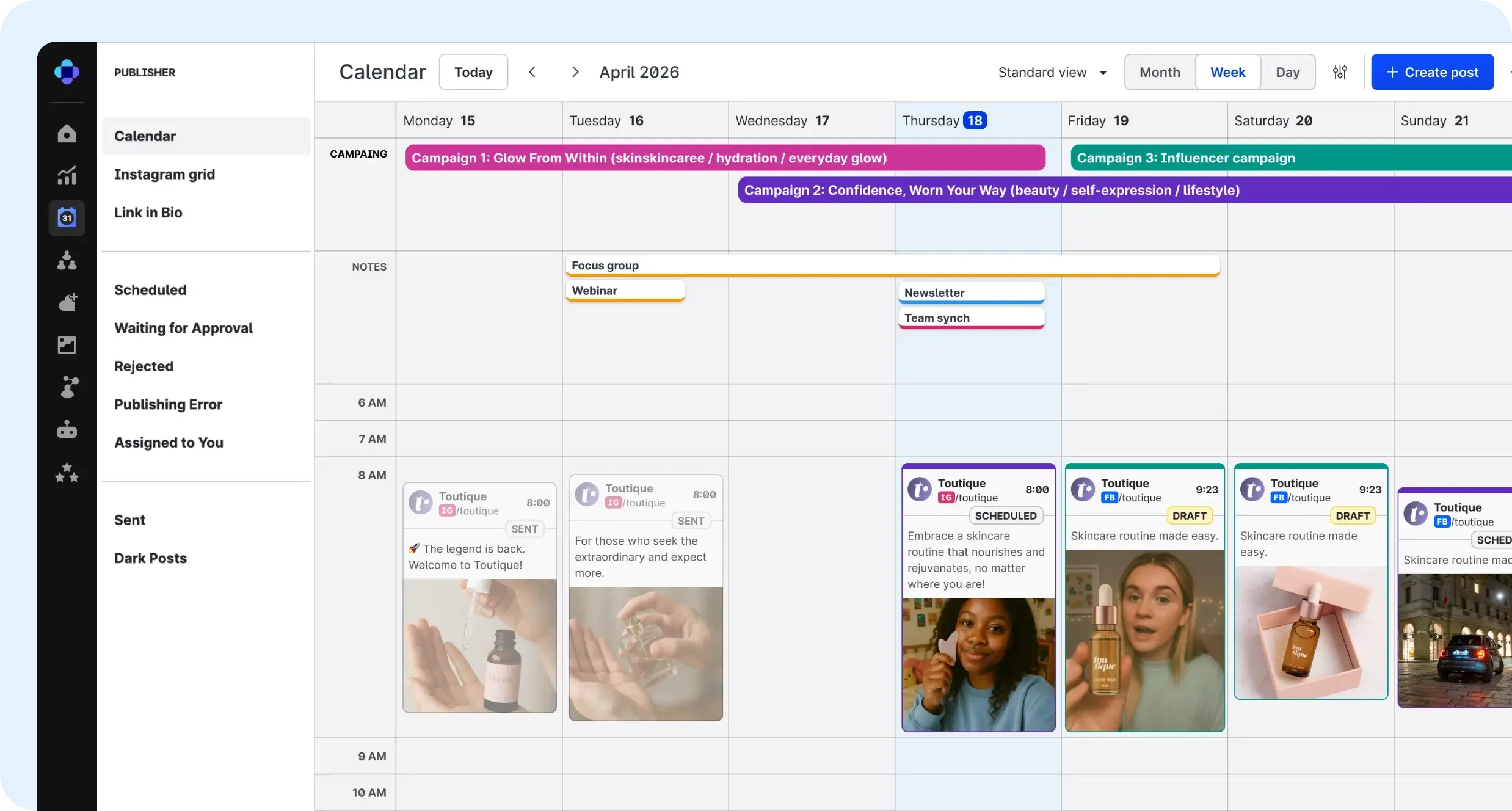
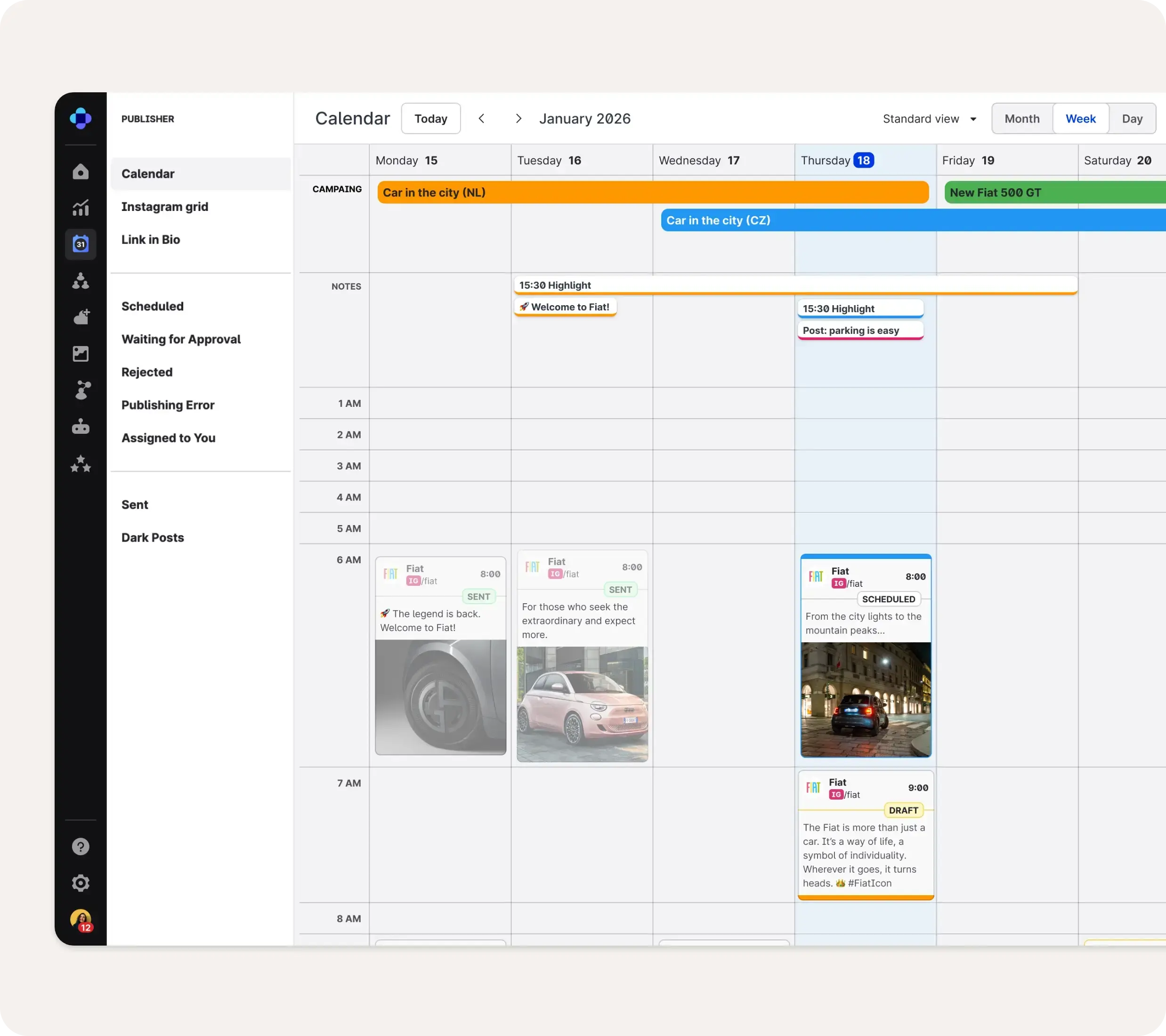
A single calendar showing paid, owned, and earned activity in the same view, so the paid team can see when organic content is scheduled, the PR team can see the paid flight dates, and the community manager knows when coverage is expected to land.
Emplifi Publisher serves as the hub for owned content here, with paid and earned activity visible alongside it rather than tracked in a separate spreadsheet nobody updates consistently.
See how Unified Analytics turns paid, owned, and earned into a single Dynamic Board.
One reporting view showing reach, engagement, and conversion across all three channel types, so the campaign debrief is one conversation instead of three separate channel reports that don’t add up to anything.
Emplifi Unified Analytics pulls paid, owned, and earned data into a single Dynamic Board, so you can see whether a paid push on a piece of content is lifting its organic performance too, instead of checking paid and organic in two different tools and trying to line the timing up yourself.
Fuel AI builds the board with you: ask it a plain-language question, “show me engagement by profile this month,” and it generates the widget for you.
The board draws from social profiles, paid, listening, community, and care data at once, so the debrief stops being three separate exports and becomes one view that your CMO, care lead, and social manager all open.
TUI shows what a shared view is worth in practice. Once paid and content performance sat in one place instead of scattered across manual reports, the team cut reporting time by 75% and cost-per-engagement by 81%.
That’s the kind of decision Building Block 3 turns from a manual process into an automated one.
Eight steps move your team from siloed channel execution to coordinated campaign delivery.
They are:
Coordinated campaigns let teams:
Emplifi connects the publishing and analytics layers so paid, owned, and earned can actually work from the same brief, the same calendar, and the same numbers.
See how Emplifi’s Publisher and Unified Analytics connect to build your campaign coordination infrastructure. Get a demo of the Emplifi platform today.
Not necessarily. The channels can stay specialized. Paid media buying, organic content, PR, are genuinely different skill sets. What needs to merge is the brief, the calendar, and the reporting, not the org chart.
The shared brief, since it requires no new tooling, just a decision to write one document instead of three. The unified calendar and shared dashboard deliver more value long-term, but the brief is where most teams can start this week.
If your last campaign debrief involved three separate reports that nobody reconciled into one performance story, that’s the signal. Smaller teams running one or two channels may not need the full framework. The coordination gap widens as more channels and more people get involved.
No. A paid media specialist and an organic community manager still need their own deep expertise in their channel. Coordination infrastructure connects that expertise across the team, it doesn’t substitute for it.