Brandwatch is a deep listening tool but it’s still mostly an analyst’s product – humans surface the insight. The strongest alternatives in 2026 use AI agents to summarize signals, flag risks, and trigger workflow actions automatically. Emplifi Listening, Sprinklr Insights, and Meltwater are the three to evaluate; Emplifi differentiates on agentic summarization and crisis automation.
Brandwatch is one of the most recognized names in social media management and consumer intelligence. Over the years, it has built a strong reputation for listening, social media analytics, and audience insights, helping brands understand what customers are saying and why it matters.
But as social media becomes more deeply embedded into every stage of the customer lifecycle, many organizations are rethinking whether Brandwatch’s structure, pricing model, and overall platform experience still align with their evolving needs.
While Brandwatch delivers powerful intelligence, some teams find the broader platform can feel modular and complex, requiring multiple products, add-ons, or integrations to connect listening insights to day-to-day execution. For brands trying to unify marketing, care, and commerce around a single customer experience, fragmented workflows can slow collaboration and delay measurable ROI.
The good news? There are many strong Brandwatch alternatives available today, ranging from enterprise customer engagement suites to modern social media management platforms built for speed, simplicity, and full-funnel impact.
If you’re evaluating your next social media platform, here are some of the best Brandwatch alternatives to consider, starting with one built for unified customer engagement.
Best For: Enterprise-level businesses seeking a unified platform for social media, marketing, commerce, and care.
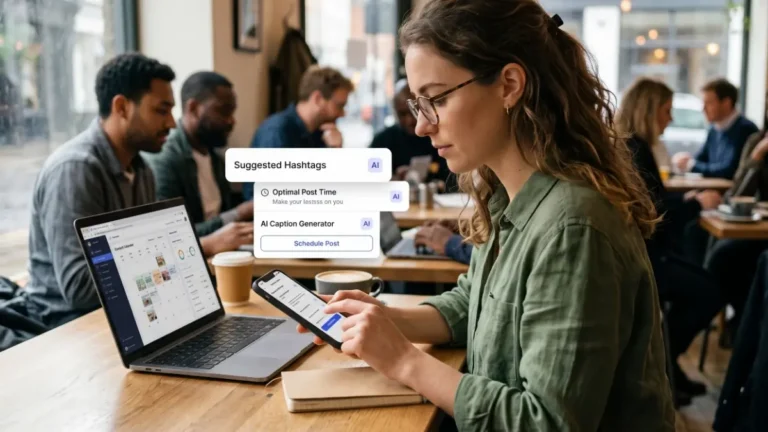
Emplifi is more than a social scheduler – it’s an autonomous CX platform. It unifies AI-powered social media marketing and customer care into one ecosystem, giving teams a single source of truth for every customer interaction. Its strength lies in eliminating silos and enabling personalized, omnichannel experiences — from social listening and content planning to influencer collaborations, real-time engagement, and post-purchase care. While its enterprise-grade power may be more than smaller teams need, for large organizations it’s a game changer.
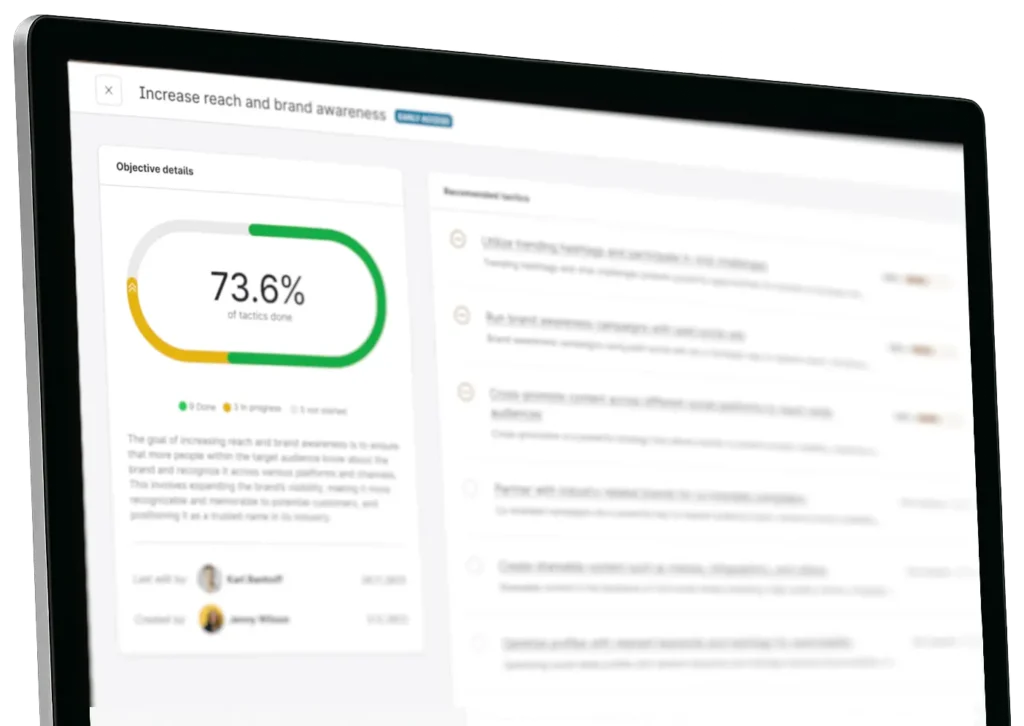
Why It’s a Top Alternative: While Brandwatch delivers strong social management features, Emplifi goes further — unifying marketing, commerce, and care data into one AI-powered platform that drives true end-to-end customer engagement. Instead of juggling disconnected tools and siloed data, you can centralize your entire customer journey with Emplifi and turn every interaction into measurable impact.
Make the switch to Emplifi today — and see how a unified platform can transform your social strategy, accelerate ROI, and elevate your customer experience. Book a demo with one of our experts.
Best For: Global enterprises managing complex, high-volume social operations.
Sprinklr is a powerhouse built for scale. It spans publishing, engagement, social listening, advertising, and customer care, all powered by AI. Its enterprise architecture includes robust security, governance, and workflow controls, plus integrations with CRMs, commerce platforms, and contact centers — making it one of the most complete customer experience management suites on the market.
Why It’s a Top Alternative: Sprinklr outpaces Brandwatch when it comes to enterprise-scale functionality and governance. For organizations managing hundreds of social accounts, multilingual teams, or regulated environments, Sprinklr delivers the depth, configurability, and compliance controls that Brandwatch simply wasn’t built for.
Downsides: Complex interface and slower onboarding for marketing-only teams.
Best For: Large brands blending social marketing with digital customer care.
Khoros offers a unified platform for social publishing, engagement, messaging, and branded community forums. It’s designed to help brands engage audiences and support customers from one place, handling public conversations alongside private support cases. Its deep analytics and automation support complex team structures and high conversation volumes.
Why It’s a Top Alternative: Where Brandwatch focuses heavily on marketing workflows, Khoros uniquely bridges marketing and support. This makes it ideal for brands where social isn’t just a marketing channel but also a frontline support touchpoint — and where integrated workflows between those functions are essential.
Downsides: Complex interface and slower onboarding for marketing-only teams.
Best For: Large teams managing multiple social channels at scale.
Hootsuite is one of the most established names in social media management, offering advanced scheduling, monitoring, engagement, and analytics across nearly every platform. Its customizable dashboards, content libraries, and integrations make it well-suited for high-volume social operations. It also provides social advertising tools and employee advocacy features.
Why It’s a Top Alternative: Hootsuite rivals Brandwatch in breadth but typically offers more flexible licensing and pricing. For large or distributed teams, it can be easier to scale without the per-user cost spikes that Brandwatch’s model creates.
Downsides: Dated interface and weaker analytics than modern competitors.
Best For: Businesses seeking deep CRM integration and unified marketing + service data.
HubSpot brings social media into its broader CRM and marketing automation ecosystem. Teams can schedule and monitor posts while seeing the full customer history, from first marketing touch through every sales call and service ticket. Its reporting ties social activity directly to revenue impact, giving marketers clear ROI visibility.
Why It’s a Top Alternative: HubSpot offers something Brandwatch doesn’t: native CRM integration. Instead of stitching Brandwatch into a separate system, HubSpot gives you one platform and one data model, breaking down silos and enabling highly personalized social engagement at scale.
Downsides: Limited social feature depth and fast-rising costs as you scale.
Best For: Small to mid-sized teams wanting Brandwatch-like features with simpler pricing.
Agorapulse delivers publishing, social inbox management, monitoring, and analytics in a clean, intuitive interface. It includes team collaboration tools, approval workflows, and competitor benchmarking, while maintaining transparent, predictable pricing that’s easy to scale.
Why It’s a Top Alternative: Agorapulse offers much of Brandwatch’s functionality at lower costs, with a simpler user experience and licensing model. It’s ideal for cost-conscious teams that need robust capabilities without the enterprise overhead or complexity of Brandwatch.
Downsides: Lacks deep enterprise automation and integrations.
Best For: Visual-first brands focused on creative storytelling and influencer content.
Dash Social (previously Dash Hudson) specializes in helping brands maximize visual content performance. It offers a drag-and-drop content calendar, advanced creative analytics, influencer management, and campaign tracking — with strong support for Instagram, TikTok, and Pinterest. It’s built for brands where aesthetic quality and storytelling drive engagement.
Why It’s a Top Alternative: While Brandwatch offers broad analytics, Dash Social goes deep on creative insights and influencer ROI. For consumer brands that depend on compelling visuals and want to link content performance directly to engagement and sales, Dash Social delivers capabilities Brandwatch simply doesn’t.
Downsides: Narrow focus limits its use beyond visual content strategies.
Best For: Small businesses and creators seeking a simple, budget-friendly scheduling tool.
Buffer provides an intuitive interface for publishing, basic analytics, and engagement at a fraction of the cost of enterprise tools. It’s fast to onboard, easy to use, and includes a free plan for up to 3 social channels, making it especially accessible for solo creators or small teams. Paid plans start at a low entry point, allowing users to scale affordably as their social presence grows.
Why It’s a Top Alternative: Buffer removes the complexity. It’s perfect for teams that find Brandwatch’s enterprise-grade feature set overwhelming and need a lightweight, low-cost way to get content out quickly, with the flexibility to start for free and upgrade only as needed.
Downsides: Limited analytics and not built for complex team structures.
Best For: Visual-first brands and influencer-led teams focused on content performance and shoppable social commerce.
Later is built for visual content planning and influencer-driven sales. It offers a drag-and-drop content calendar, Instagram grid previews, hashtag planning, and link-in-bio tools, making it especially popular with lifestyle, fashion, and retail brands. It also includes built-in influencer commerce features, allowing brands to track revenue down to specific posts and SKUs while giving creators affiliate tools and performance-based rewards. While it excels at visual storytelling and commerce, it’s less suited for text-heavy strategies or complex enterprise workflows.
Why It’s a Top Alternative: While Brandwatch excels at publishing, analytics, and listening, it doesn’t offer native influencer commerce or sales attribution. Later now bridges the gap between content creation and conversions, helping brands understand not just what content engages audiences but what actually drives purchases. For teams who see influencers and content creators as core revenue drivers, Later delivers capabilities that Brandwatch simply doesn’t.
Downsides: More niche, with limited cross-channel management features.
Best For: Small to mid-sized businesses seeking strong value and CRM integration.
Zoho Social offers publishing, engagement, monitoring, and analytics at very competitive prices, and integrates natively with Zoho CRM. It’s simple to set up yet includes team collaboration tools, approval workflows, and deep reporting, making it powerful enough for growing teams.
Why It’s a Top Alternative: Zoho Social delivers robust functionality without the high cost of Brandwatch. It’s a smart choice for teams that need powerful social media tools on a startup-friendly budget.
Downsides: Dated UI and lacks advanced enterprise capabilities.
Social media is no longer just about publishing content or tracking mentions. It’s where customers discover brands, ask questions, make purchase decisions, and expect real-time support.
Brandwatch remains a powerful platform with strong analytics and intelligence capabilities, but many organizations are realizing they need more than insights. They need a unified platform that connects marketing, commerce, and customer care, and turns every interaction into measurable business impact.
When evaluating Brandwatch alternatives, today’s leading brands are looking for platforms that are:
That’s exactly where Emplifi stands apart.
Emplifi brings social media management, customer engagement, social commerce, and unified analytics into one AI-powered platform, helping brands simplify operations, accelerate collaboration, and deliver personalized experiences at scale.
Don’t settle for fragmented tools. Make the switch to Emplifi and unlock the full potential of your social strategy. Book a demo with Emplifi today.
Yes and for lots of enterprise teams, it’s a stronger one. Brandwatch is a deep intelligence tool, but insights still require humans to surface and act on them. Emplifi goes further, connecting social listening directly to publishing, customer care, and commerce workflows in one platform. Emplifi Fuel automatically summarizes listening data, detects sentiment spikes, and triggers crisis alerts so your team spends less time in dashboards and more time acting on what matters. See how enterprise brands use Emplifi.
Brandwatch leads on raw data depth, but data depth without workflow integration creates a bottleneck. Emplifi’s social listening is built to feed directly into publishing, care, and commerce teams with AI-generated summaries, real-time spike alerts, and crisis workflows that connect insight to action without manual effort. For teams that need listening to drive decisions across the business, not just inform analyst reports, Emplifi is the stronger fit. For a full comparison of the social listening landscape, see our social listening tools guide.
Emplifi. Where Brandwatch excels as a standalone intelligence tool, Emplifi unifies listening with social marketing, social commerce, and customer care, giving enterprise teams a single source of truth across every customer touchpoint. For speed of deployment, unified workflows, and agentic AI, Emplifi is the strongest starting point.
Discover what Emplifi can do for you. We turn small teams into large ones, and large teams into well oiled machines, but either way, we offer the rocket ship, you just need to jump on.
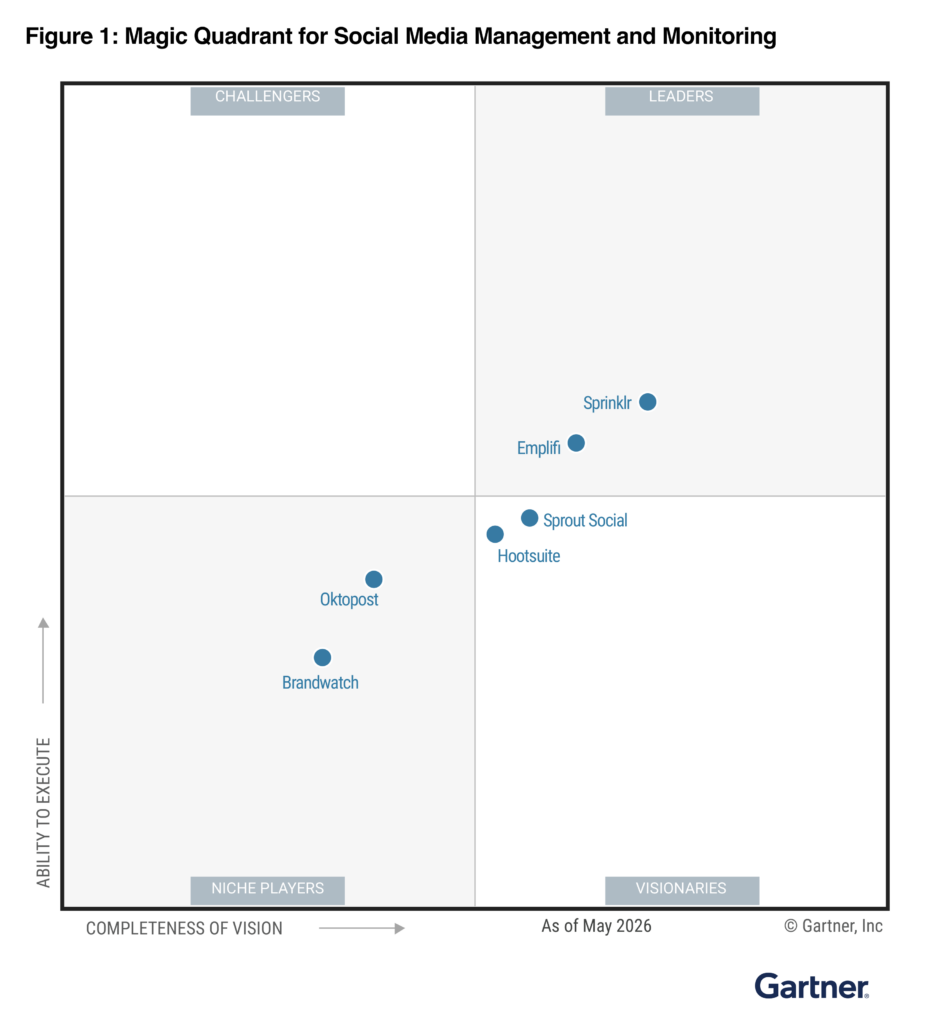
We’re recognized as a market leader in innovation, customer support, and ease of use from these organizations.