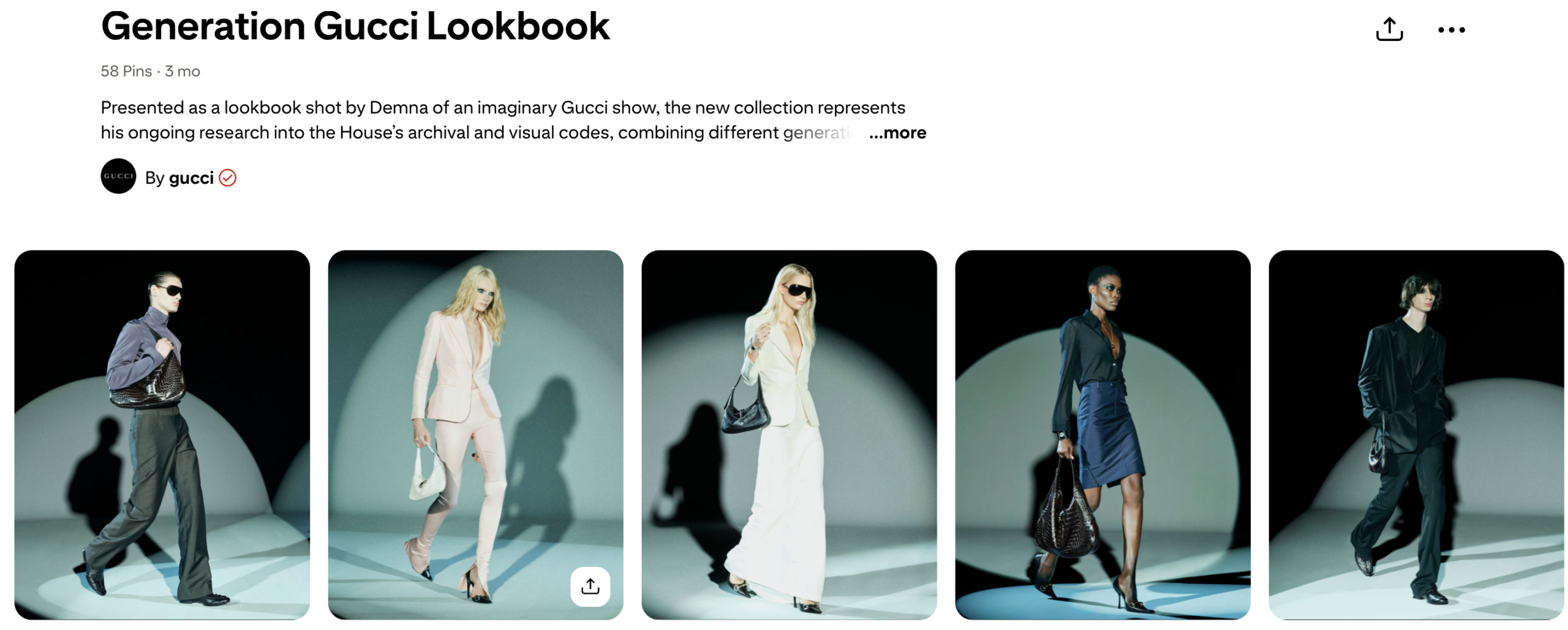
A social media strategy for fashion brands defines how brands use platforms like Instagram, TikTok, and Pinterest to drive discovery, engagement, and sales.
Nowadays, the front row of fashion week lives on TikTok. Trends emerge from Get Ready With Me (GRWM) videos before they appear in magazines. And a single creator styling a jacket can influence more shoppers than a billboard campaign.
For fashion brands, social channels have become integral to the customer journey. They act as your storefront, look-book, community hub, and checkout experience, all in one.
That’s why a modern fashion brand’s social media strategy needs to do more than post beautiful images. It needs to turn inspiration into engagement, community, and sales.
In this guide, we’ll show how to tailor content for each platform, use User-Generated Content (UGC) to build buyer confidence, and unify your social media strategy with Emplifi.
In this guide we cover:
Far from being just a promotional channel, social media is often where the customer journey begins for fashion brands, especially among younger audiences. In fact, 40% of Gen Z consumers prefer to discover brands on TikTok or Instagram rather than Google.
A single viral styling video can drive thousands of product views overnight. Conversely, a poorly received campaign can trigger negative sentiment just as quickly.
That’s why having a solid social media presence, and consistent brand identity, can be just as important as the window displays in your physical stores.
Think of your social channels as digital storefronts, where every post contributes to how customers perceive the brand.
In fashion, a “social media storefront” refers to the way social platforms act as digital shop windows where customers discover products, explore styling ideas, and often complete purchases without ever leaving the app.
That’s why many fashion brands use creator-led styling videos and ‘Get Ready With Me/Get Dressed With Me’ content to show how pieces fit and move in real life, like this TikTok video from Ali Gordon. By helping customers visualize how items might work in their own wardrobe, these posts can strongly influence purchasing decisions.
@aligordon89 Brioni, one of those names you might not hear often, but once you do, it’s hard to forget… #menswear #london ♬ original sound - AliGordon
While fashion thrives on visuals, not every social platform tells your story the same way.
Each social platform plays a different role in the fashion discovery journey, which means brands need to adapt their content strategy to match how audiences use each channel.
Let’s take a look at each one:
Instagram is often the primary platform for curated fashion storytelling, where brands present collections through polished imagery, campaign visuals, and creator collaborations.
Fashion brands typically focus on:
Everlane’s Instagram post, for example, demonstrates how polished, cohesive visuals can strengthen brand identity while giving audiences a clear, aspirational view of how pieces are styled.
TikTok has become one of the most powerful discovery platforms for fashion, where creators, styling videos, and trend-driven content can rapidly influence purchasing decisions. Audiences want authentic content like:
For instance, Zara’s TikTok content uses fast-paced styling and movement to show how pieces look and feel in real time.
@zara From Jump to Fit @KL0VER #zara ♬ sonido original - ZARA
Pinterest acts as a visual planning platform where shoppers collect outfit ideas, seasonal trends, and wardrobe inspiration that often guide future purchasing decisions.
Content that performs well includes:

Together, these platforms form a powerful discovery ecosystem.
Using Emplifi’s social marketing platform, brands can plan campaigns from a single calendar while optimizing content for each platform. Emplifi is a social media management and customer engagement platform that helps brands publish content, manage influencers, analyze performance, monitor customer sentiment, and activate user-generated content across marketing and commerce channels. For instance, your team can:
Instead of guessing what resonates, you can make data-backed content decisions while streamlining your social media management.
One of the biggest barriers to online fashion purchases is uncertainty. Without trying items on, shoppers often struggle to imagine how a piece will fit, look, or work with the rest of their wardrobe. 77% of consumers feel positively about AI in shopping, nearly double the number who express concerns, so it’s the perfect opportunity to help them visualize products more confidently and make informed purchase decisions.
Customers often ask:
This is where user-generated content (UGC) becomes powerful. Seeing real people style clothing builds buying confidence. In fact, 65% of consumers say UGC influences their purchasing decisions, compared to just 14% influenced by celebrities.
@socialswithclaudia So good when you don’t spend a penny 🎀🪩 #ootd #grwm #zaraoutfit #pinterestoutfit #fashiontiktok ♬ Sippin - Milco & DEJA
Carhartt uses Emplifi to manage UGC content, and keep the brand rooted in real-world experiences. By amplifying stories from its community, including tradespeople and everyday customers, Carhartt showcases how its products are worn and tested in authentic environments.
This approach has resulted in:
By putting real users at the center of its strategy, Carhartt demonstrates product value in a way traditional campaigns can’t, turning everyday customer stories into both engagement and revenue.
UGC can be the perfect way to build a community around your fashion brand, and also ensure a steady stream of authentic content from your fanbase.
You could curate:
28% of consumers say seeing people “like them” in marketing content significantly increases purchase intent, so a variety of diverse customer content is the perfect way to move them closer to conversion. Your community styling their own pieces helps customers see how clothing works for different body types, lifestyles, and occasions.
For example, this kind of TikTok video from Sarah Roberts shows how products look in real life, making it easier for customers to picture themselves wearing them and increasing purchase intent.
@sarahrroberts_ ZARA ON THE MODEL VS ON ME 🤎🐚✨ linked in my bio on my LTK! I loved both of these colours in this set, but couldn’t choose which one I loved more! Which is your fave? Ecru or Brown 🥰 #zara #zaranewin #newinzara #tryon #onthemodelvsonme #zaratryon #zarawoman #zarafashion ♬ son original - TechNostalgia
Collecting and managing all of this content manually can quickly become overwhelming.
With a centralized UGC management tool like Emplifi, you can:
UGC can even be turned into shoppable experiences, allowing customers to purchase items directly from styling content.
The impact is significant with UGC contributing nearly $8 billion in annual revenue for Emplifi social commerce clients.
And learn best practices for every stage of the funnel
Fashion has always relied on hype. Limited collections, seasonal releases, and influencer collaborations drive urgency, and social media amplifies this effect.
Many fashion brands now use social commerce to shorten the path from inspiration to purchase. Social commerce refers to shopping experiences that allow customers to discover, explore, and purchase products directly within social media platforms.
Examples include:
These tools create frictionless shopping experiences, allowing your customers to shop as soon as they see a product they love.
Plus, you can often build anticipation using:
For global fashion brands, creating social content is only part of the challenge; managing how that content moves from concept to publication is just as important.
A single seasonal campaign, for example, can involve campaign photography, styling videos, influencer collaborations, and product launch announcements. These assets often need to be adapted for multiple markets, translated into different languages, and scheduled across several platforms.
Without clear workflows, social media management can quickly become difficult to coordinate. Your team might struggle with:
This is where a centralized social media management platform can be invaluable. By unifying campaigns in one platform, you can align stakeholders and ensure every asset has been approved for use.
With Emplifi, for instance, teams can benefit from a shared content calendar, coordinated approvals, and scheduled posts across multiple platforms. Instead of juggling disconnected tools, teams gain a clear view of their entire social pipeline while keeping campaigns on schedule.
@romitavlz Dresses!! @Fashion Nova ♬ Shake It To The Max (FLY) (Remix) - MOLIY & Skillibeng & Shenseea
Customers constantly discuss fashion products on social media, from sizing and fabric quality to delivery experiences and sustainability concerns.
These conversations offer valuable signals about how products are actually performing in the real world.
With Emplifi’s AI-powered social listening platform, brands can:
Listening also helps brands catch problems before they evolve into bigger crises. For example, teams might spot:
By identifying these signals early, you can respond quickly, protecting both reputation and revenue.
A strong fashion social media strategy balances creativity with measurable performance.
Leading brands combine:
With centralized tools like the Emplifi platform, you can manage campaigns, measure impact, and adapt quickly as trends evolve.
Fashion discovery increasingly starts on social media. The brands that stand out are the ones that turn that inspiration into meaningful engagement, and ultimately, into sales.
With Emplifi, fashion teams can:
When your campaigns, creators, and customer insights live in one place, it becomes much easier to understand what resonates with your audience, and build a social strategy that grows with them.
Ready to elevate your fashion social strategy? Get a demo of the Emplifi platform.
Most fashion brands post several times per week on Instagram and daily on TikTok. Consistency matters more than frequency; brands should focus on high-quality content and track performance to refine their strategy.
TikTok and Instagram are particularly effective for sustainable fashion storytelling. Brands can showcase materials, manufacturing processes, and behind-the-scenes production to build trust with conscious consumers.
Brands should evaluate engagement rate, audience alignment, traffic, and conversions. Platforms like Emplifi help measure influencer performance and calculate ROI
across campaigns.
Authenticity and niche communities are key advantages. Smaller brands can leverage creator partnerships, storytelling, and community-driven UGC to build stronger trust with audiences.
Emplifi brings social media publishing, analytics, influencer management, customer engagement, and social listening into one platform. Fashion teams can plan campaigns across multiple channels, monitor performance in real time, and understand which content, creators, and trends are driving engagement and sales, while also listening to their community to capture feedback, track sentiment, and respond in the moments that matter.
Emplifi helps brands discover authentic UGC across social platforms, request permission to reuse it, and publish it across social channels, product pages, and marketing campaigns. This allows fashion brands to scale styling content that builds trust and encourages purchase decisions.
Discover how Emplifi boosts efficiency, increases revenue, and scales your social media marketing — whether you have a small team or a complex product. Let’s talk today.