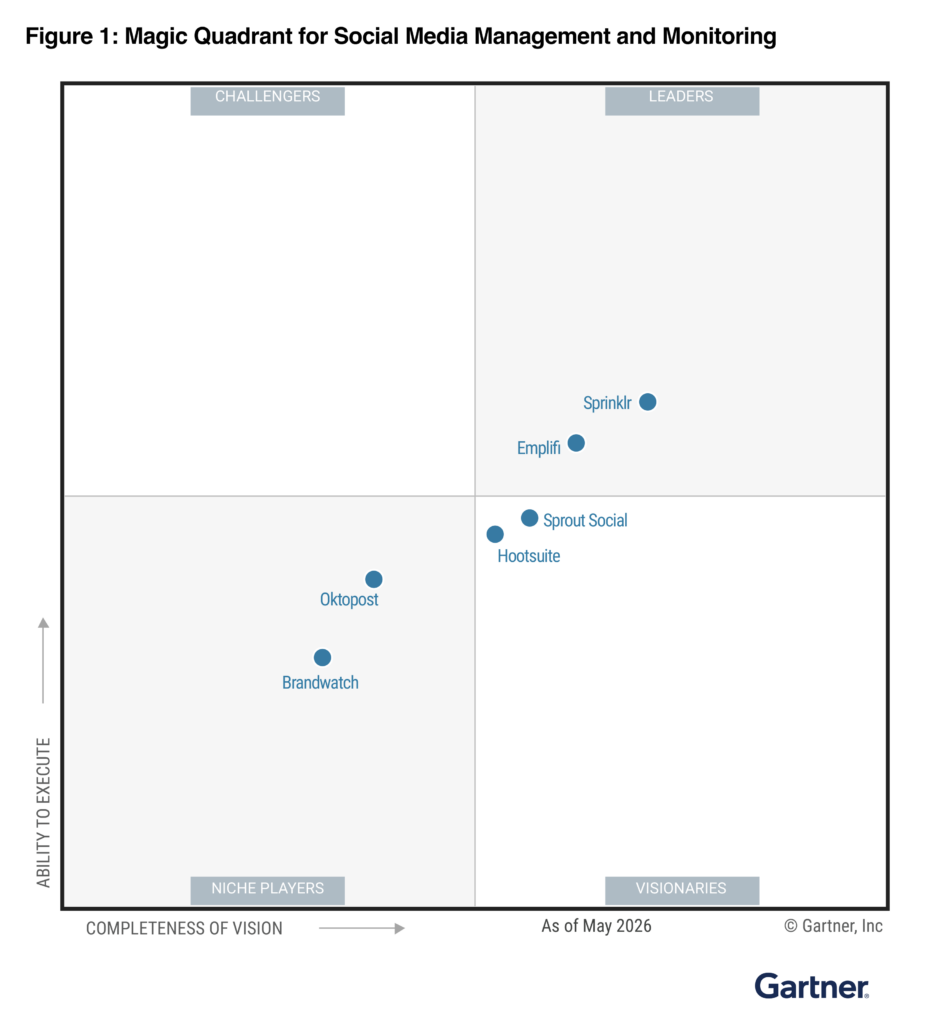
2026 Gartner® Magic Quadrant™

Emplifi named a Leader in the 2026 Gartner® Magic Quadrant™ for Social Media Management and Listening

Get the Report

Emplifi named a Leader in the 2026 Gartner® Magic Quadrant™ for Social Media Management and Listening Get the Report

Blog
13 min read
Oct 05, 2026

How to build a proactive reputation management strategy for your brand

Reputation management is the ongoing work of shaping how customers see your brand across social media, review sites, and other online channels. A proactive reputation management strategy runs in five steps: audit how people talk about you; set goals, messaging, and owners; encourage reviews and positive content; respond to criticism with empathy; and monitor sentiment to adjust as you go. This guide walks through each step, with examples of brands that turned negative moments around.

Jordan Lukes Director of Corporate Marketing

Key points

  • Strong brand reputation management shapes the narrative, builds trust, and maintains credibility before problems escalate.
  • Continuous monitoring, strategic planning, and active engagement allow brands to stay ahead of negative sentiment and amplify positive experiences.
  • Empathy, humor, and authenticity in your responses to complaints and reviews turn potential pitfalls into opportunities to build loyalty.

Reputation used to build slowly, through word-of-mouth or trusted industry experts. Now one viral complaint on social media can flip a brand’s image overnight.

Lasting reputations come from building trust, earning credibility, and turning online interactions into opportunities every day.

This guide will help you audit your brand’s reputation, give you proactive strategies to shape the conversation, and offer real-world examples of brands that got it right.

Why a reputation management strategy matters

A reputation management strategy builds brand trust and a competitive edge. It means your brand is proactively shaping how your customers and prospects feel about your company. You’re ready for a crisis, and you’re also managing what they read or hear online about you every single day.

Reviews carry real weight here. In Emplifi’s 2026 digital authenticity survey of 1,650 US and UK consumers, 63% named user-generated ratings and reviews as a trusted source, second only to search results. That makes reputation management the difference between a customer choosing you and turning to one of your competitors instead.

Reputation management and review management work at different stages:

  • Review management: Brands react to ratings and comments after they’ve been posted.
  • Reputation management: Brands actively shape the conversation across their online platforms.

A comprehensive reputation management strategy keeps you in control, so you spend far less time on damage control.

Why proactive beats reactive

Customers want answers now. In Emplifi’s AI in social media consumer report, a survey of 854 US consumers, 66% want an immediate reply and only 24% are willing to wait even an hour. Being proactive means you’re one step ahead:

  • You’re in control. You’re guiding the narrative, rather than frantically responding to negative comments.
  • You build a solid fanbase. One bad review doesn’t derail you when you already have plenty of excellent ones to back you up.
  • You have a playbook ready. When a crisis hits, you know exactly what to do, and who needs to be involved.

Let’s look at how you can build a proactive reputation management strategy in five simple steps.

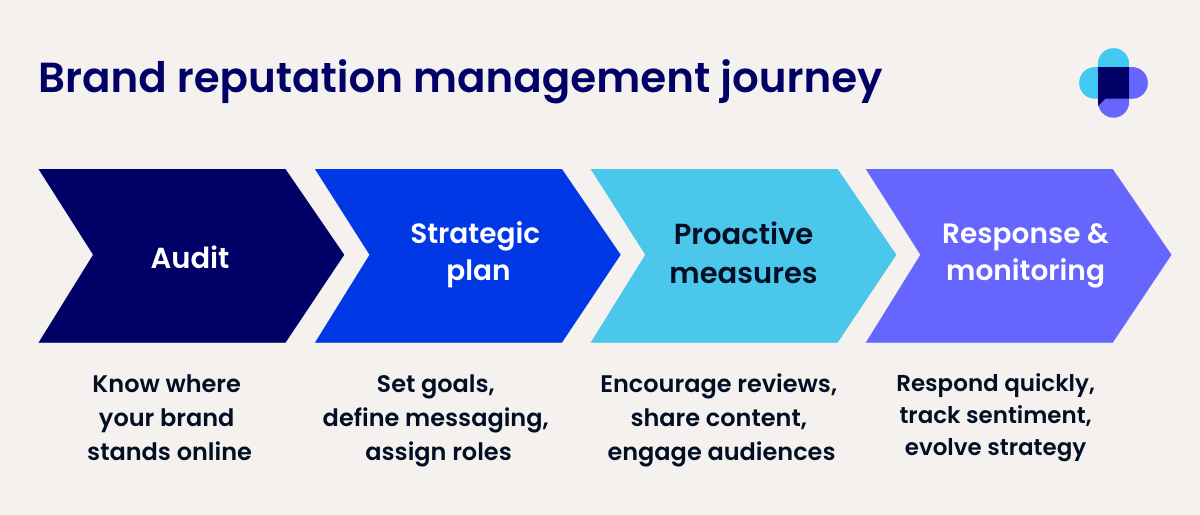
Brand reputation management journey in four stages: audit, strategic plan, proactive measures, and response and monitoring.

Step 1: Conduct a comprehensive reputation audit

Before you can improve your brand reputation, you need to know exactly where you stand. A reputation audit takes a 360° view to see what people are saying about your brand, where they’re saying it, and how often.

Where to start

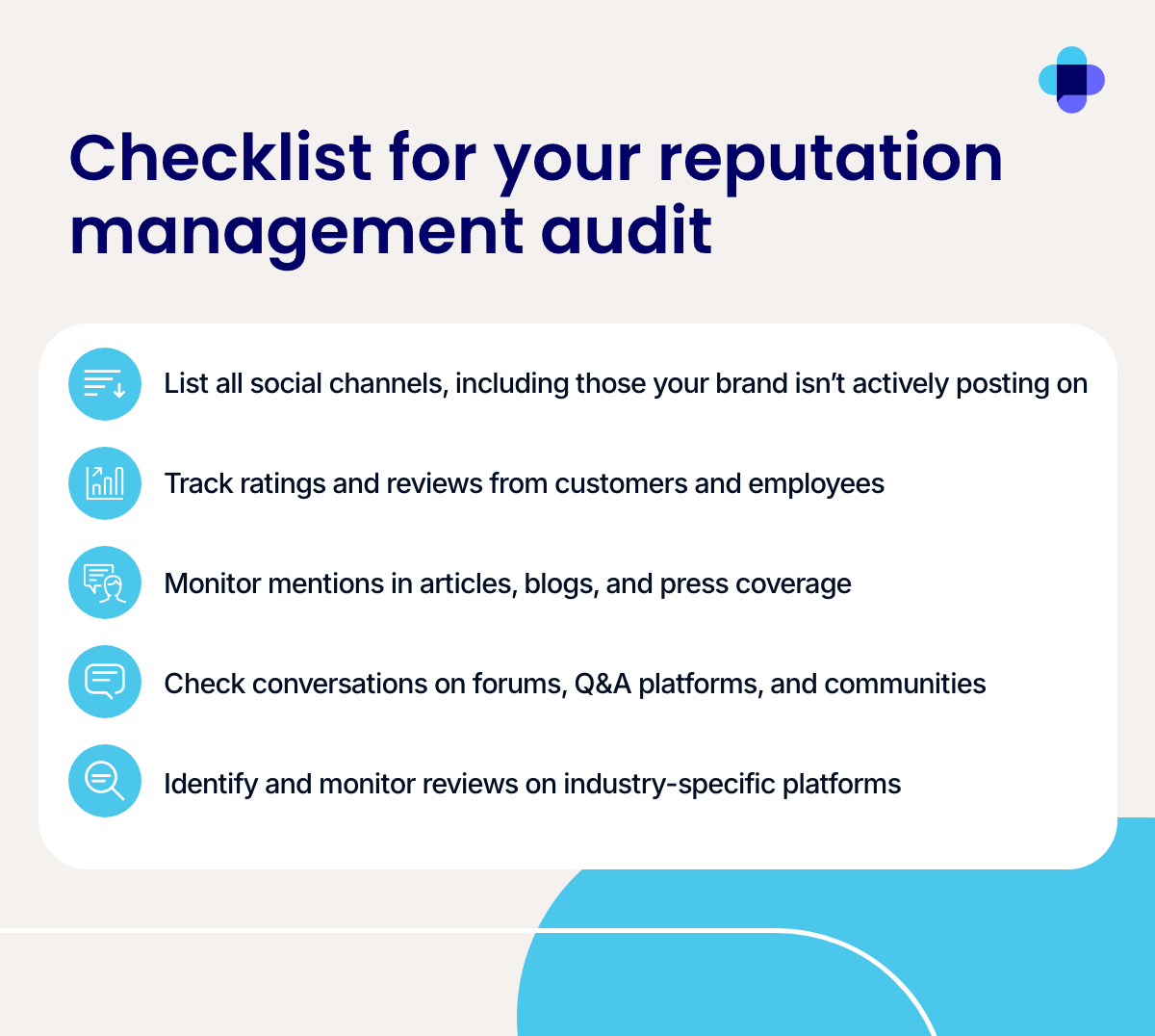
Begin by making a list of everywhere your brand appears online. Include every channel where your brand might be mentioned by prospects, customers or critics.

Think about:

  • Social media: Note every channel you appear on, as well as those you don’t (people could still be talking about you there). Consider the biggest platforms like Facebook, Instagram, TikTok, YouTube, X and LinkedIn before tackling newer options like Bluesky and Threads.
  • Review sites: Google, Trustpilot, and G2 are the obvious choices, but remember websites like Yelp and even Glassdoor where former employees could be leaving damaging reviews about your company.
  • News & media: Journalists writing about your brand in online publications, influencers talking about you in industry blogs, and press mentions across the internet.
  • Forums & communities: Gen Z, in particular, are turning to other users to gather information before making a purchase with Reddit ranking one of their most trusted platforms, ahead of traditional search engines. Check forums like Reddit, Quora, and Discord groups to uncover what customers are saying about your brand.
  • Niche review sites: Scour review sites in your particular niche such as TripAdvisor (travel), Avvo (law), and Healthgrades (healthcare).

Anywhere your customers can leave a star rating or a comment belongs in your audit.

Why large businesses need social listening

Scrolling through mentions manually might work for a small brand, but it breaks down once you’re tracking thousands of mentions a week. Social listening tools automatically pick up any mention of your brand online and analyze the context and sentiment behind the comments.

While a social listening tool will do the heavy lifting, you’ll only get out as much as you put in.

Set it up in four steps:

  • Define your goals: Decide whether you’re spotting emerging trends, measuring sentiment, or tracking competitors.
  • Design smart queries: Use keywords, hashtags, product names, and competitor mentions.
  • Filter for relevance: Narrow your data by platform, region, language, or even influencer type.
  • Analyze sentiment at scale: Spot positive, negative, and neutral patterns to understand how audiences really feel.

You’ll quickly be able to see what your audience is loving, and what’s not working so well.

Your audit shouldn’t be a one-and-done deal, because conversations can change on a daily basis. Treat your audit as an ongoing process, and review it on a weekly or monthly schedule to get the best results.

Step 2: Develop your strategic plan

Your audit shows where you stand. Your plan sets out how you’ll keep brand sentiment positive and show customers your company is trustworthy.

Work through these four areas:

Set your goals

Use the SMART technique to set realistic goals. Make them Specific, Measurable, Achievable, Relevant, and Time-Based. Your audit should tell you where you need to focus your efforts to build a more positive reputation. For example:

  • Increase positive reviews on Google and G2 by 20% in the next six months.
  • Improve overall sentiment score from neutral to positive in the next three months.
  • Reduce average response time to customer questions to under one hour.

Lock in your core messaging & values

Your online presence should be consistent across every platform, no matter who is speaking on behalf of the brand.

As a team, you should outline:

  • Tone of voice (e.g., professional, approachable, bold).
  • Non-negotiables (what you always say yes or no to).
  • Key brand values to weave into feedback and communication.

Build your internal playbook

An internal playbook gives you the head start you need when a crisis hits. Your playbook will outline the steps you need to take, and who needs to be involved, no matter the scenario.

It will mention:

  • When to respond publicly vs. privately.
  • How to handle positive, neutral, and negative feedback.
  • Escalation paths for urgent issues (e.g., PR crisis).

Assign responsibilities

When you need to respond within minutes, there’s no time to waste. Clear ownership avoids slow responses, which can be damaging for your brand. Define who does what from the get-go, so you know who will be responsible for:

  • Monitoring (who’s keeping an eye on reviews and mentions).
  • Responding (who handles customer replies).
  • Reporting (who tracks progress against goals).
  • Press inquiries (who will represent the company, particularly if a crisis occurs).

See how Emplifi helps you monitor, manage, and protect your online reputation.

Step 3: Implement proactive measures

Staying one step ahead puts you in control of the narrative. It shows customers that you’re trustworthy, and happy to resolve any issues as quickly as possible.

Creating advocates for your brand is one of the most effective ways to prove you’re a reputable business. By building an impressive online presence, you’ll create an overwhelmingly positive experience for prospects searching for your company.

Encourage reviews

Shoppers do their homework. The same Emplifi authenticity survey found that 79% of consumers read three or more reviews before buying, so think of every review as a digital word-of-mouth recommendation.

Here are some of the best ways to encourage reviews:

  • Always follow up purchases and inquiries with an email, requesting a review for your brand. Reiterate the benefits of purchasing with you, e.g. speed of delivery, B Corp status, or quality of the product, so the customer is reminded to include this in their review.
  • Focus on the platforms that matter most to your customers, e.g. Google, G2, TripAdvisor, or Trustpilot, to build up your repository of positive reviews.
  • Encourage staff to ask for reviews, particularly if they feel they have done a great job.
  • Some platforms allow you to incentivize customers to leave reviews, with gift cards, discounts or freebies. Make sure it remains an honest account of their experience, and that you’ve clearly labeled the review as incentivized, otherwise you could be in breach of advertising standards.

Create positive content

You only get one chance to make a good first impression. Search results can unearth everything from negative reviews to unflattering press mentions, but savvy content marketing and SEO tactics put your valuable content front and center.

  • Publish blogs, web pages, case studies, and success stories that highlight your strengths. Mention awards you’ve won or how you’re engaging with your local community. All of this builds the positive story you want to tell about your brand.
  • Optimize content for high-intent keywords your customers are actually searching for, so your own pages rank alongside, or above, the coverage you don’t control.

Engage on social media

Your social channels are often where prospects first see how you treat customers. Consistent posting makes you a familiar face, and every public reply shows how you handle questions and complaints. You should:

  • Share updates regularly so you’re always part of the conversation.
  • Reply to comments and DMs quickly, because silence can be as damaging as a bad review.
  • Use interactive tools like polls, Q&As, or live sessions to build a sense of community and accessibility.

Partner with the right influencers

The right influencer amplifies trust in ways traditional ads never will.

  • Use an influencer management tool to find influencers who genuinely align with your values and audience.
  • Work with nano and micro-influencers for niche communities where trust runs deepest.
  • Measure the impact in sentiment and trust signals as well as reach.

Don’t wait for negative reviews to pile up. With proactive measures in place, your positive reputation already outweighs the noise when challenges arise.

Step 4: Master the art of response

Your reply to a negative review stays public right beside it, so every prospect who reads the review also sees how you handled it. That makes it in your best interests to respond to any negativity quickly and constructively.

A smart, empathetic response turns the tide and helps critics become happy customers.

Lead with empathy

Remember that your customers’ feelings always come first. They want to know they’ve been heard before you launch into an explanation of what went wrong.

  • Give a sincere apology: A simple “We’re sorry you had this experience” goes further than jumping into defensive mode.
  • Don’t pass blame. Even if the issue wasn’t entirely your fault, deflecting responsibility can damage trust.

Explain your next steps

Don’t be afraid to be open about what you’re doing next. Show that you’re taking feedback seriously.

  • Outline the steps you’re taking to resolve the issue, without overpromising.
  • Keep it short, clear, and action-oriented. Customers want to know the solution you’ll be offering them as soon as possible.

Make the conversation private (when needed)

Some issues belong in a private channel, particularly when they involve sensitive information.

  • If the back-and-forth risks becoming lengthy, invite the customer to continue the conversation via DM, email, or phone.
  • Keep in mind that any sensitive data they’ll need to share with you (e.g. address, phone number) should be protected, and should never be shared on a public platform.

Don’t forget the positive reviews

Your most loyal customers deserve to be celebrated. Don’t miss an opportunity to turn them into repeat visitors or ambassadors for your brand.

  • Thank customers who leave glowing feedback, and share their reviews across your social media or website.
  • Personalize your service to make them feel valued. Even a handwritten note with their order goes a long way.
  • Engaging with positive reviews turns happy customers into loyal advocates who keep spreading the word.

Examples of reputation management in action

You can see examples of reputation management in action every day, just by logging on to any social media channel. Here are two that turned potential missteps into moments of trust and connection.

Tune Talk: Turning negative sentiment around

As a telecom provider, Tune Talk, Malaysia’s fastest-growing mobile virtual network operator, was used to customers posting complaints in the comments of its social posts. Instead of letting those complaints set the tone, the team:

  • Tracked sentiment automatically. Emplifi’s automated sentiment analysis flagged fluctuations in sentiment, especially negative ones, so the team could act quickly and turn them around.
  • Answered every message. With a unified inbox, clear task allocation, and AI priority scores, the team cleared all incoming messages and comments every day.
  • Listened beyond its own channels. Social listening showed what people were saying about Tune Talk and its competitors elsewhere, so the team could react and resolve issues there too.

The result was a 20% improvement in positive sentiment in just one quarter, even as the number of incoming messages and comments more than quadrupled.

Key takeaway: Sentiment follows consistency. Spot negative swings early, answer every message, and complaints stop setting the tone of your channels.

Skyscanner: Turning complaints into viral wins

When Lloyd asked Skyscanner what to do with the 47-year layover it had suggested in Bangkok, the company could have dismissed it as a mere glitch. Instead, Jen from their social media team offered some genuine suggestions, responding with warmth and humor:

  • Jen’s playful message poked fun at the absurd situation. Her suggestions included a cruise on the Chao Phraya river, and a visit to the Moon Bar.
  • She added a personal p.s. thanking Lloyd for flagging the glitch and promising to “get some folk to look into it!”
  • Jen continued to respond to replies on the post, even up to two years later, building brand continuity and trust.

Jen’s response turned a potential embarrassment into a moment of relatability and connection, earning thousands of likes on Facebook and plenty of media coverage. Skyscanner is also an Emplifi customer, and you can read how its team collects and showcases traveler content in the Skyscanner customer story.

Key takeaway: Not every mistake needs a stiff response. Sometimes, leaning into humor humanizes your brand and sparks positive buzz.

Step 5: Monitor, analyze, and evolve

Reputation management is an ongoing task. The way people talk about your brand today won’t be the same six months from now, and the brands that stay ahead are the ones who continuously listen, measure, and adjust.

Why continuous monitoring matters:

  • Conversations don’t stop at the end of the working day. They’re happening 24/7 across review boards, social media, blogs, and forums. If you’re not tracking sentiment in real time, you’re already behind.
  • Customer expectations evolve quickly. What worked last year (or even last quarter) might not resonate anymore. You need to be able to move quickly, while staying true to your brand values.

How to measure success

Reputation management can seem like a vague notion if you don’t know exactly how to measure it. Focus on these outcomes to assess whether your strategy is working:

  • Review ratings: Are your average star ratings improving? Are you reducing negative spikes?
  • Sentiment score: Are conversations trending more positive or negative over time?
  • Response time: Are you meeting customer expectations by responding quickly and consistently?
  • Engagement quality: Are your proactive efforts (reviews, social posts, influencer campaigns) driving authentic engagement?

Review your reputation strategy every quarter. It should evolve with your audience, industry, and competitors. Commit to continuous monitoring and analysis, and you’ll protect your brand while uncovering new opportunities for growth.

How Emplifi can help you

Customers judge your brand by how you react to complaints on social media and by what other customers say about you in forums and on review sites. Emplifi’s unified platform covers each part of that work:

  • Emplifi Listening monitors conversations across social networks, Reddit, and millions of news sites, and its Smart Spike Detection flags unusual jumps in mention volume or sentiment so your team can step in before a complaint spirals.
  • Emplifi Care and Emplifi Community bring DMs, comments, and public mentions into one inbox, where AI Priority Scoring moves urgent and negative messages to the top of the queue.
  • Emplifi Unified Analytics turns your sentiment, response time, and engagement data into dashboards and scheduled reports, so you can track progress against your SMART goals.

A good first test: set up listening queries for your brand, your top products, and two main competitors, then compare the last 90 days of sentiment and response times against the goals you set in Step 2.

Book a demo with one of our social media experts today.

Frequently asked questions

Review management focuses on responding to ratings and comments after they’re posted. Reputation management is proactive, aiming to shape the overall conversation about your brand. It spans social media, review sites, and other platforms to consistently build credibility and trust.

Run reputation audits regularly to stay aware of public perception. Weekly or monthly checks capture shifts in customer sentiment. Staying consistent lets you address potential issues before they escalate.

Yes. Done thoughtfully, humor humanizes your brand and turns negative situations into positive, shareable moments. Skyscanner’s 47-year layover response is a great example of this in action.

Track review ratings, sentiment scores, response times, and engagement quality across social posts, influencer campaigns, and reviews. These metrics show how well your reputation strategy is performing. Regular monitoring highlights areas for improvement and growth.

Social listening shows what people say about your brand across social platforms, forums, and news sites, including posts that never tag your handle. It flags spikes in negative sentiment early, so your team can respond before a complaint spreads, and it shows which topics earn praise. Set alerts for your brand name, product names, and executives so nothing important slips past.

Reply quickly, thank the reviewer, acknowledge the problem, and say what happens next. Move order numbers and account details to a private channel, then return to the public thread once the issue is fixed. Future buyers read these replies too, since reviews shape purchase decisions.

Acknowledge the issue publicly as soon as you know about it, even before you have every answer, then post updates on a set schedule until it’s resolved. Pause scheduled promotional posts, route high-risk comments to senior staff, and agree in advance who approves each statement. Write the plan before you need it, so the first hours of real-time crisis management go to the response itself.

Insights from Emplifi

Explore our latest blogs and comprehensive guides designed to help you master customer experience strategies and drive growth.

Ready to fuel your teams with A-CX?

Discover what Emplifi can do for you. We turn small teams into large ones, and large teams into well oiled machines, but either way, we offer the rocket ship, you just need to jump on.

What can you expect?

  • A live walkthrough of Emplifi Fuel tailored to your specific social marketing, commerce, and care needs
  • A benchmark of how your brand performs against peers in your industry
  • A partner who understands your business, and 22,000 others
  • A concrete action plan to go from disjointed teams to A-CX
Get a demo

Outpace your competition with easy-to-use, innovative solutions

We’re recognized as a market leader in innovation, customer support, and ease of use from these organizations.

Gartner Logo
Info-Tech Data Quadrant Leader Badge
Emplifi earns Martech Breakthrough Award 2026
TrustRadius 2026 Buyer's Choice Award
Forrester names Emplifi a Leader in the Q4 2024 Social Suites
Forrester names Emplifi a Customer Favorite in the Q4 2024 Social Suites
IDC names Emplifi a Leader
G2 recognizes Emplifi as a Leader among enterprise platforms
G2 recognizes Emplifi as an enterprise platform with the easiest set-up
Emplifi earns 2025 Silver award from the American Business Awards